
If you’re a homeowner looking to paint the outside of your house in 2024, understanding the costs involved is crucial. This guide will help you navigate the various factors that influence outside painting costs, from the size of your home to the quality of paint you choose. By breaking down these elements, you’ll be better equipped to budget for your project and make informed decisions that enhance your home’s appearance and value.
Key Takeaways
- The size and condition of your home significantly affect outside painting costs.
- Choosing high-quality paint can save money in the long run due to durability.
- Labor costs vary, so it’s essential to get multiple quotes from professionals.
- DIY painting can be cheaper but requires time and effort; weigh your options carefully.
- Planning and budgeting ahead can help you avoid unexpected expenses.
Factors Affecting Outside Painting Cost
When it comes to painting the outside of your home, several key factors can influence the overall cost. Understanding these can help you budget effectively and make informed decisions.
Size and Structure of the Home
The size of your property is one of the most significant factors affecting the cost. Larger homes require more paint and labor, which can increase expenses. Additionally, the structure’s complexity, such as the number of stories or unique architectural features, can also impact the cost.
Quality of Paint and Materials
The type and color of paint you choose can greatly affect the price. High-quality paints may cost more upfront but can save you money in the long run due to their durability. Here’s a quick comparison of paint types:
| Paint Type | Cost per Gallon | Durability | Recommended Use |
|---|---|---|---|
| Standard Paint | $30 – $50 | 5 years | Basic exterior surfaces |
| Premium Paint | $50 – $70 | 10+ years | High-traffic areas |
| Eco-Friendly Paint | $40 – $60 | 7 years | Environmentally conscious |
Labor and Time Considerations
Labor costs can vary based on your location and the complexity of the job. Professional painters typically charge between $25 to $75 per hour. Additionally, the time required for preparation work, such as cleaning and repairs, can add to the overall cost.
Remember: Investing in quality materials and skilled labor can lead to a longer-lasting finish, ultimately saving you money on future maintenance.
By considering these factors, you can better estimate the costs involved in painting your home’s exterior and make choices that align with your budget and goals.
Estimating the Cost of Exterior Painting
When planning to paint the outside of your home, it’s important to understand the various costs involved. Estimating the cost of exterior painting can help you budget effectively and avoid surprises.
Calculating Surface Area and Paint Needs
To get started, you need to calculate the surface area that needs painting. Here are some steps to follow:
- Measure the height and width of each wall.
- Multiply the height by the width to find the area of each wall.
- Add the areas together to get the total square footage.
- Consider the number of doors and windows, as these will reduce the total area to be painted.
| Surface Area (sq ft) | Paint Needed (gallons) | Estimated Cost |
|---|---|---|
| 1,000 | 5 | $150 – $350 |
| 2,000 | 10 | $300 – $700 |
| 3,000 | 15 | $450 – $1,050 |
Understanding Labor Costs
Labor costs can vary widely based on location and the complexity of the job. Here are some key points:
- Hourly Rates: Expect to pay between $25 to $75 per hour for professional painters.
- Per Square Foot: Some painters charge between $0.75 to $3.00 per square foot.
- Time Considerations: Larger homes or those needing extensive prep work will take longer, increasing labor costs.
Additional Expenses to Consider
Besides paint and labor, there are other costs to keep in mind:
- Preparation Work: Cleaning, scraping, and repairing surfaces can add to your expenses.
- Equipment Rental: If you need scaffolding or power washers, factor in those rental costs.
- Quality of Paint: Higher-quality paints may cost more but can save you money in the long run due to durability.
Understanding the cost of painting a room in 2024 involves considering various factors like size, paint quality, and labor. Proper preparation and choosing the right paint type are crucial for a successful finish.
Choosing the Right Paint for Your Home
Choosing the right paint for your home is essential for both appearance and protection. High-quality paint can make a big difference in how your home looks and lasts over time. Here are some key points to consider:
Benefits of High-Quality Paint
- Durability: High-quality paints resist fading and peeling, ensuring your home looks great for longer.
- Coverage: They often require fewer coats, saving you time and money.
- Protection: Good paint can protect your home from moisture and other elements.
Selecting Colors for Curb Appeal
When picking colors, think about:
- Neighborhood Trends: Look at what colors are popular in your area.
- Architectural Style: Choose colors that complement your home’s design.
- Personal Preference: Make sure you love the color you choose!
Eco-Friendly and Weather-Resistant Options
Consider using paints that are:
- Low in VOCs: These are better for the environment and your health.
- Mildew-Resistant: Especially important if your home is in a shady area.
- Dirt-Resistant: This is useful for homes in urban areas where dirt can accumulate quickly.
Choosing the right paint is not just about aesthetics; it’s also about protecting your home and ensuring it lasts. Investing in quality paint can save you money in the long run by reducing maintenance costs and enhancing your home’s value.
| Paint Type | Benefits | Ideal Use |
|---|---|---|
| High-Quality Paint | Long-lasting, vibrant colors | All exterior surfaces |
| Eco-Friendly Paint | Low VOCs, better for health | Homes with children/pets |
| Weather-Resistant | Protects against moisture | Humid or rainy climates |
DIY vs. Hiring Professional Painters
When it comes to painting the outside of your home, you might wonder whether to do it yourself or hire professionals. Choosing the right option can save you time and money. Here’s a breakdown of the pros and cons of each approach:
Pros and Cons of DIY Painting
- Cost Savings: Doing it yourself can save on labor costs.
- Personal Satisfaction: Completing the project can give you a sense of achievement.
- Flexibility: You can work at your own pace and schedule.
Cons of DIY Painting
- Time-Consuming: It can take much longer than expected.
- Skill Level: Lack of experience may lead to mistakes.
- Physical Demand: Painting can be tiring and requires physical effort.
Benefits of Hiring Professionals
- Expertise: Professionals know the best techniques and have the right tools.
- Quality Work: They can deliver a high-quality finish that lasts longer.
- Efficiency: Professionals can complete the job faster, saving you time.
Cost Comparison and Considerations
Here’s a simple table to help you understand the potential costs:
| Option | Estimated Cost Range | Time Required |
|---|---|---|
| DIY | $500 – $1,500 | 1-3 weeks |
| Hiring Professionals | $1,500 – $4,500+ | 1-2 weeks |
Remember: While DIY might seem cheaper, the quality and time saved by hiring professionals can be worth the investment. Consider your skills, time, and the importance of a quality finish before making a decision.
Maximizing Return on Investment
Enhancing Home Value with Paint
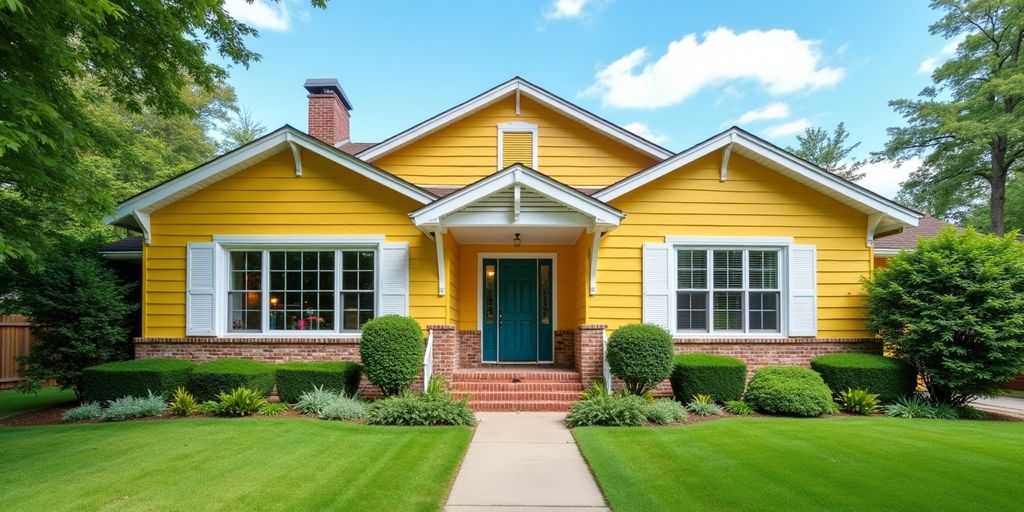
A fresh coat of paint can significantly boost your home’s value. When you choose high-quality paint and a color scheme that fits your home’s style, you can expect to see a return on your investment. On average, homeowners can recoup between 50% to over 100% of their painting costs when selling their home.
Long-Term Savings and Maintenance
Investing in exterior painting not only beautifies your home but also protects it from the elements. This protection can help prevent costly repairs from moisture damage, mold, and mildew. Here are some benefits of maintaining your home’s exterior:
- Increased durability of siding and trim
- Reduced maintenance costs over time
- Enhanced curb appeal that attracts buyers
Choosing Timeless and Appealing Colors
Selecting the right colors is crucial for maximizing your investment. Opt for neutral and classic shades that appeal to a wide range of buyers. Here are some tips for color selection:
- Consider your neighborhood: Choose colors that complement the surrounding homes.
- Think about trends: While trendy colors can be appealing, they may not have lasting appeal.
- Test samples: Always test paint samples on your home before making a final decision.
A well-painted home not only looks good but also provides a sense of pride and satisfaction for homeowners. By investing wisely in your home’s exterior, you can enjoy both beauty and value for years to come.
Preparing Your Home for Painting
Getting your home ready for a fresh coat of paint is essential for a successful project. Proper preparation can make a big difference in the quality and durability of the paint job. Here are the key steps to follow:
Essential Pre-Painting Repairs
- Inspect for Damage: Check for any cracks, holes, or damaged areas that need fixing.
- Replace Old Caulking: Remove old caulk and apply new caulking to windows and doors to prevent leaks.
- Repair Wood Rot: Replace or repair any rotting wood to ensure a solid surface for painting.
Cleaning and Priming the Surface
- Pressure Wash: Use a pressure washer to clean the exterior, removing dirt, mold, and old paint.
- Scrape and Sand: Scrape off loose paint and sand rough areas to create a smooth surface.
- Apply Primer: Use a primer on bare wood or repaired areas to help the paint adhere better.
Safety Measures and Equipment Needs
- Wear Protective Gear: Always wear gloves, goggles, and a mask to protect yourself from dust and chemicals.
- Use Proper Ladders: Ensure you have sturdy ladders or scaffolding for hard-to-reach areas.
- Secure the Area: Protect landscaping and non-painted surfaces with drop cloths or plastic sheeting.
Preparing your home properly can lead to a beautiful and long-lasting paint job. Don’t rush this process; it’s worth the time and effort!
Tips for Reducing Outside Painting Costs
Planning and Budgeting Effectively
- Create a detailed budget before starting your project. This helps you keep track of expenses and avoid surprises.
- Measure your home’s exterior to estimate the amount of paint needed accurately.
- Research local paint prices and labor costs to get a realistic idea of your total expenses.
Taking Advantage of Off-Season Rates
- Consider scheduling your painting project during the off-season, typically in late fall or early spring, when contractors may offer lower rates.
- Look for discounts or promotions from paint suppliers during these times.
- Plan ahead to ensure you can take advantage of these savings.
Bundling Projects for Cost Efficiency
- If you have multiple areas that need painting, consider bundling them into one project. This can save on labor costs.
- Combine interior and exterior painting projects to maximize savings.
- Discuss with your contractor about potential discounts for larger jobs.
By being strategic about your painting project, you can significantly reduce costs while still achieving a beautiful finish. Remember, planning ahead is key to saving money!
Final Thoughts on Painting Costs
In conclusion, knowing how much it costs to paint the outside of your house is important for homeowners. Many things can affect the price, like the size of your home, the type of paint you choose, and the work needed. While it might be tempting to save money, hiring a professional can give you a great-looking finish that boosts your home’s value and charm. Remember, painting isn’t just a cost; it’s a smart investment in your home’s beauty and protection.
Frequently Asked Questions
What factors affect the cost of exterior painting?
The cost of painting the outside of your house can change based on the size of your home, the quality of paint you choose, and how much labor is needed.
How can I estimate how much paint I need?
To figure out how much paint you need, measure the total area you want to paint and check the paint can for coverage information.
Is it cheaper to paint my house myself or hire professionals?
While doing it yourself might save money, hiring professionals can ensure a better finish and save you time and effort.
What are the benefits of using high-quality paint?
High-quality paint lasts longer and covers better, which means you might need fewer coats and less paint overall.
How can I prepare my home for painting?
Before painting, make sure to clean the surfaces, fix any damage, and apply primer if needed.
What are some tips to reduce outside painting costs?
You can save money by planning ahead, painting during the off-season, and bundling multiple projects together.





 PERFECT PAINTER
Leave a comment