

Painting your bedroom can be a fun and rewarding project, but understanding the costs involved is essential for planning. This guide will help you navigate the factors that impact bedroom paint prices, from the type of paint to whether you choose to do it yourself or hire a professional. By knowing what to expect, you can make informed decisions and create a beautiful space without breaking the bank.
Key Takeaways
- The size and layout of your bedroom significantly affect the overall paint cost.
- Different paint types have varying prices and qualities, impacting your final choice.
- Labor costs can vary widely based on whether you hire professionals or choose to paint yourself.
- Location plays a role in paint pricing due to market rates and availability of services.
- Preparing your space, including repairs and buying tools, can add to your overall expenses.
Factors Influencing Bedroom Paint Price
When planning to paint your bedroom, several factors can affect the overall cost. Understanding these can help you budget effectively.
Size and Layout of the Bedroom
The size of your bedroom plays a significant role in determining the cost of painting. Larger rooms require more paint and labor, which increases expenses. Here’s a quick breakdown of average costs based on room size:
| Room Size | Average Cost Range |
|---|---|
| Small (10×10 ft) | $300 – $500 |
| Medium (12×12 ft) | $400 – $700 |
| Large (15×15 ft) | $600 – $1,000 |
Type and Quality of Paint
The type of paint you choose can greatly influence your budget. Here are some common paint types and their average costs:
- Flat or Matte Paint: $10 per gallon
- Eggshell and Satin Paints: $12 – $13 per gallon
- Semi-Gloss and High-Gloss Paints: Starting at $30 per gallon
Labor Costs and Professional Services
Labor costs can vary based on the complexity of the job and the experience of the painters. On average, you might pay between $1.50 to $3 per square foot for wall painting, which includes both materials and labor. If your walls need repairs or special treatments, expect additional charges.
Geographic Location and Market Rates
Your location can also impact painting costs. Urban areas often have higher rates due to increased living costs. Conversely, rural areas may offer lower rates. Here’s a general idea of how location affects pricing:
- Urban Areas: Higher labor costs
- Suburban Areas: Moderate rates
- Rural Areas: Generally lower rates, but travel fees may apply for remote locations.
Understanding these factors can help you make informed decisions and avoid unexpected costs during your bedroom painting project.
By considering these elements, you can better prepare for the financial aspects of your painting project and ensure a successful outcome.
Comparing Paint Types for Bedrooms
Overview of Common Paint Types
When it comes to painting your bedroom, understanding the different types of paint available is essential. Here’s a quick overview:
- Primers: Cost around $10 per can, used to prepare walls before painting.
- Flat or Matte Paint: The cheapest option, starting at about $10 per gallon. It has no shine but is less durable.
- Eggshell and Satin Paints: Priced between $12 and $13 per gallon, these are more durable and easier to clean.
- Semi-Gloss and High-Gloss Paints: These are the most expensive, starting around $30 and can go over $80 per gallon for high-quality options.
Cost Differences Between Paint Finishes
Here’s a table showing the average costs of different paint finishes:
| Paint Type | Average Cost per Gallon |
|---|---|
| Primers | $10 |
| Flat or Matte | $10 |
| Eggshell/Satin | $12 – $13 |
| Semi-Gloss/High-Gloss | $30 – $80 |
Durability and Maintenance Considerations
When choosing paint, consider the following:
- Durability: Higher gloss paints are more durable and easier to clean.
- Maintenance: Flat paints may require more frequent touch-ups.
- Finish: The finish can affect how colors appear in your bedroom, so choose wisely to create the right ambiance.
Choosing the right paint type is crucial for achieving a stylish and comfortable sanctuary. For example, consider using timeless black and white combinations or playful bubble gum pink to reflect your personal style.
Budgeting for Your Bedroom Painting Project
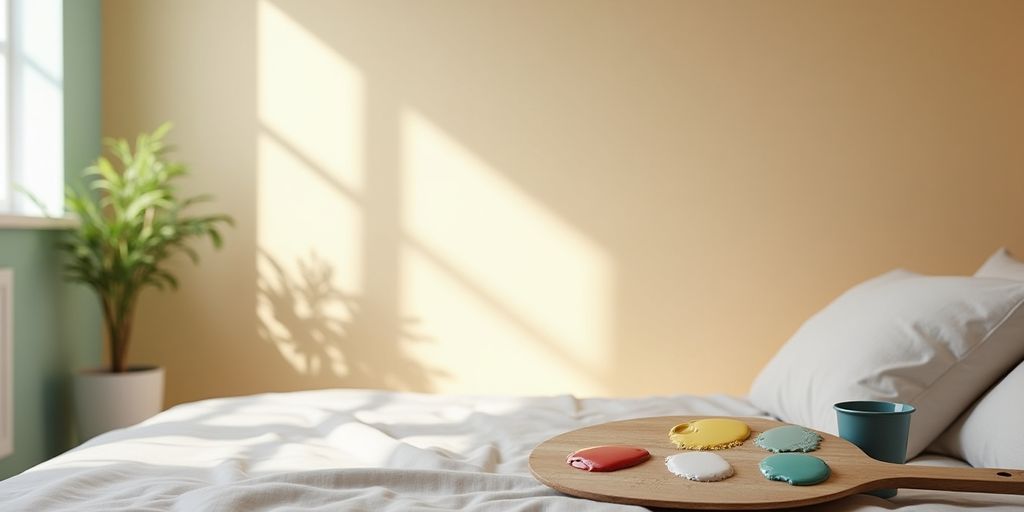
When planning to paint your bedroom, it’s important to create a clear budget. This will help you avoid surprises and keep your project on track. Here are some key steps to consider:
Estimating Total Costs
- Calculate the area: Measure the walls to find the total square footage.
- Research paint prices: The cost to paint a room averages around $1,100, with most homeowners spending between $400 to $1,600 based on size and other factors.
- Include additional expenses: Don’t forget to add costs for materials, tools, and any repairs needed before painting.
Setting a Realistic Budget
- List all expenses: Write down everything you need, from paint to brushes and tape.
- Prioritize your needs: Decide what’s most important and adjust your budget accordingly.
- Plan for unexpected costs: Set aside some money for surprises that may come up during the project.
Cost-Saving Tips and Tricks
- Shop around: Compare prices at different stores to find the best deals on supplies.
- Consider DIY: Doing the work yourself can save on labor costs, but make sure you have the time and skills.
- Choose a single color: This can reduce paint costs and simplify the project.
Proper planning and budgeting are essential for a successful painting project. By understanding the factors that affect costs, you can create a realistic budget and avoid financial stress.
DIY vs. Professional Bedroom Painting
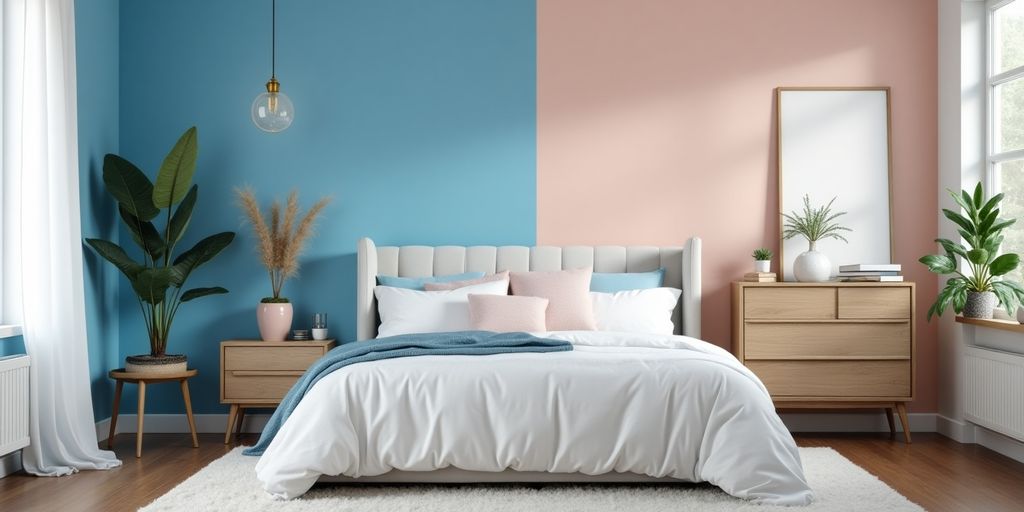
When it comes to painting your bedroom, you have two main options: doing it yourself (DIY) or hiring a professional. Each choice has its own set of advantages and disadvantages.
Pros and Cons of DIY Painting
- Control: You can choose your own colors and work at your own pace.
- Cost Savings: DIY can save you money on labor costs, which can be significant.
- Skill Development: It’s a chance to learn and improve your painting skills.
However, consider these challenges:
- Time-Consuming: DIY projects can take longer than expected.
- Quality: Achieving a professional finish can be difficult without experience.
- Preparation: You may need to spend time on surface preparation and repairs.
Benefits of Hiring Professionals
- Expertise: Professionals have the skills and tools to ensure a high-quality finish.
- Efficiency: They can complete the job faster, minimizing disruption to your daily life.
- Less Stress: You won’t have to worry about the details or the mess.
On average, hiring a professional painter can cost between $25 to $55 per hour. This can add up quickly, especially for larger rooms. Here’s a quick comparison:
| Aspect | DIY Cost Estimate | Professional Cost Estimate |
|---|---|---|
| Labor | $0 | $25 – $55 per hour |
| Paint Supplies | $100 – $300 | Included in total cost |
| Time Required | 1-2 weekends | 1-3 days |
Remember: While DIY can save money, it may not always yield the best results. If you want a polished look, hiring a professional might be worth the investment.
In conclusion, whether you choose to paint your bedroom yourself or hire a professional, understanding the costs and benefits of each option is crucial. Make sure to weigh your skills, time, and budget before making a decision!
Additional Costs to Consider
Preparation and Repair Costs
Before painting, you might need to handle some repairs. This can include:
- Fixing dents and scratches on the walls.
- Addressing water stains or other damage.
- Ensuring the surface is smooth for the best paint application.
Taking care of these repairs can add to your overall costs, but it’s a good time to do it since you’re already painting.
Tools and Equipment Expenses
If you decide to paint yourself, you’ll need to buy or rent some tools. Here’s a quick list of what you might need:
- Paintbrushes and rollers.
- Drop cloths to protect your floors.
- Painter’s tape for clean edges.
- Ladders for reaching high spots.
These tools can add up, so it’s important to include them in your budget.
Unexpected Expenses and Contingencies
Sometimes, things don’t go as planned. Here are a few unexpected costs to keep in mind:
- If you find mold or other issues behind the walls, you’ll need to address those.
- Changes in paint color or finish can lead to extra costs.
- If you need to hire help for unexpected tasks, that can also increase your budget.
Remember, planning for these additional costs can help you avoid surprises later on.
Choosing the Right Paint for Your Bedroom
Understanding Paint Finishes
When selecting paint for your bedroom, it’s important to understand the different paint finishes available. Here are the common types:
- Flat or Matte: This finish has no shine and is the least durable, making it suitable for low-traffic areas.
- Eggshell: Slightly more durable than flat, eggshell finishes are easier to clean and work well in bedrooms.
- Satin: This finish offers a soft sheen and is great for areas that need a bit more durability.
- Semi-Gloss and Gloss: These finishes are very shiny and durable, ideal for trim and moldings but not typically used for walls.
Selecting Colors for Ambiance
Choosing the right color can greatly affect the mood of your bedroom. Soothing colors like soft blues and gentle greens create a relaxing atmosphere. Here are some tips for selecting colors:
- Test Samples: Always test paint samples on your walls to see how they look in different lighting.
- Consider Your Floors: Make sure the paint complements your flooring. For example, if you have dark wood floors, lighter colors can create a nice contrast.
- Avoid Common Mistakes: Be cautious of choosing colors that clash with your existing decor or are too dark for small rooms.
Eco-Friendly and Low-VOC Options
If you’re concerned about the environment, consider using eco-friendly paints. These paints have low levels of volatile organic compounds (VOCs), which are harmful to both health and the environment. Here are some benefits:
- Better Air Quality: Low-VOC paints improve indoor air quality.
- Less Odor: They typically have a milder smell compared to traditional paints.
- Sustainable Choices: Many brands offer paints made from natural ingredients, making them a great choice for eco-conscious consumers.
Choosing the right paint for your bedroom is essential for creating a space that feels comfortable and inviting. This guide provides insights on selecting paint colors that complement your floors in various rooms.
Final Thoughts on Bedroom Paint Pricing
In summary, knowing how much it costs to paint a bedroom is important for any homeowner. Prices can change based on the size of the room, the type of paint you choose, and whether you hire a pro or do it yourself. While painting your bedroom can be a fun project, it’s good to think about your budget and the quality of work you want. Hiring a professional might cost more, but it can save you time and give you a better finish. By understanding all the factors that affect painting costs, you can make smart choices and enjoy a fresh new look in your bedroom.
Frequently Asked Questions
What factors affect the cost of painting a bedroom?
The cost of painting a bedroom can be influenced by several things, like the size of the room, the type of paint you choose, labor costs, and where you live.
How much should I budget for painting my bedroom?
You should plan to spend between $300 and $750 for painting a bedroom, depending on its size and the type of paint.
Is it cheaper to paint my bedroom myself or hire a professional?
Painting it yourself can save money on labor, but hiring a professional often results in a better finish and saves you time.
What types of paint are best for bedrooms?
For bedrooms, eggshell or satin finishes are popular because they are easy to clean and look nice.
Are there any hidden costs when painting a bedroom?
Yes, you may need to consider costs for preparing the walls, buying tools, and any unexpected repairs that might come up.
How can I save money on my bedroom painting project?
You can save money by doing some prep work yourself, shopping for paint sales, or choosing less expensive paint options.





 PERFECT PAINTER
Leave a comment