
Spray painting techniques offer a wide range of methods for artists and DIY enthusiasts to create stunning works of art. From airbrush painting to innovative street art techniques, mastering these methods can elevate your artistic skills and allow for endless creativity. In this article, we’ll explore various spray painting techniques, their applications, and essential tips to help you achieve impressive results.
Key Takeaways
- Airbrush painting allows for detailed designs and smooth color blending.
- Electrostatic spray painting ensures even coverage and reduces waste, making it ideal for industrial applications.
- Graffiti techniques use stenciling and layering to create eye-catching urban art.
- Textured spray painting adds depth and uniqueness to surfaces, enhancing visual appeal.
- Practicing foundational techniques is essential for mastering advanced spray painting skills.
Exploring Airbrush Painting Techniques
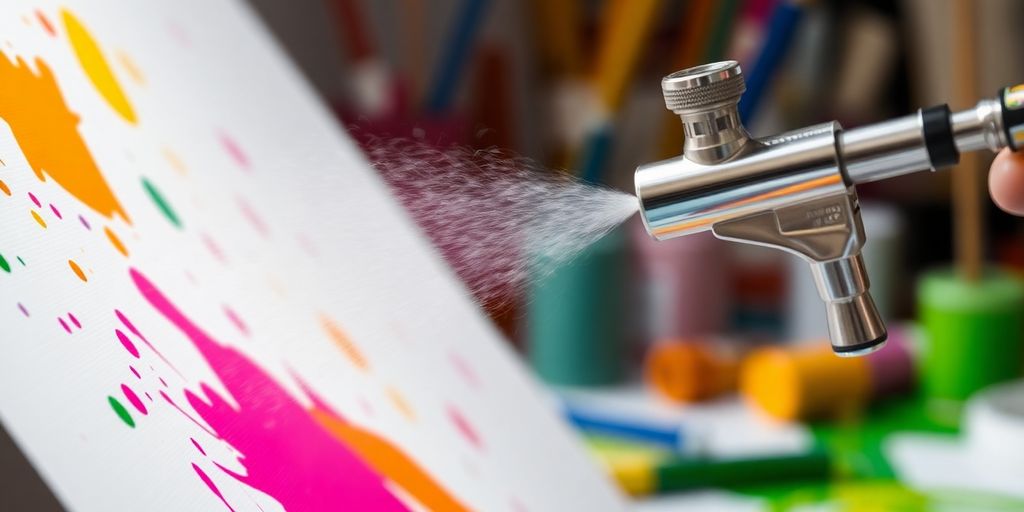
Airbrush painting is a fantastic way to create intricate designs and stunning artwork. With a handheld airbrush, artists can control how paint is applied, allowing for detailed strokes and smooth color blending. This technique is especially popular for custom artwork, murals, and illustrations.
Achieving Intricate Designs
- Start with pure air: The most important step to achieving good results is to start with pure air first, then slowly pull the trigger back to let the paint flow. This ensures a smooth application.
- Use stencils: Stencils can help create sharp edges and detailed patterns, making it easier to achieve complex designs.
- Layer your colors: Build up colors gradually to create depth and richness in your artwork.
Seamless Blending of Colors
- Practice gradients: Gradients can be achieved by adjusting the distance of the airbrush from the surface and varying the pressure on the trigger.
- Mix colors: Experiment with mixing colors on your palette before applying them to your canvas for a more controlled blend.
- Use a wet palette: A wet palette can keep your paints moist longer, allowing for smoother blending.
Applications in Custom Artwork
Airbrush painting is used in various fields, including:
- Custom T-shirts: Artists can create unique designs on fabric.
- Model painting: Miniature models can be painted with fine details.
- Murals: Large-scale artworks can be created on walls, bringing spaces to life.
Airbrush painting opens up a world of creativity, allowing artists to express themselves in ways that traditional painting may not permit. Whether you’re a beginner or an experienced artist, mastering these techniques can elevate your work to new heights.
Mastering Electrostatic Spray Painting
Electrostatic spray painting is a technique that utilizes the principles of electrostatics to apply paint evenly and efficiently onto conductive surfaces. This method is not just about applying paint; it’s about achieving a smooth and uniform finish that stands out.
Understanding the Electrostatic Process
In electrostatic painting, the paint particles are charged, which helps them stick to the surface being painted. This process ensures that the paint is distributed evenly, reducing waste and improving the quality of the finish. Here are some key points to remember:
- Proper Grounding: Ensure the object is grounded to attract the charged paint particles.
- Controlled Environment: Work in a clean area to avoid dust and debris.
- Optimal Distance: Maintain a distance of 6-10 inches from the surface for best results.
Benefits of Electrostatic Painting
Electrostatic painting offers several advantages:
- Even Coating: The charged particles ensure a uniform layer of paint.
- Reduced Overspray: Less paint is wasted, making it more efficient.
- Durable Finish: The adhesion is stronger, leading to a longer-lasting result.
Applications in Various Industries
This technique is widely used in different fields, including:
- Automotive Manufacturing: For a flawless finish on car parts.
- Metal Finishing: To enhance the appearance and durability of metal surfaces.
- Appliance Production: Ensuring a consistent look on household items.
Electrostatic painting is a revolutionary approach that transforms how we apply paint, making it a favorite in many industries.
By mastering these techniques, you can achieve stunning results that elevate your projects to a professional level.
Innovative Graffiti and Street Art Techniques
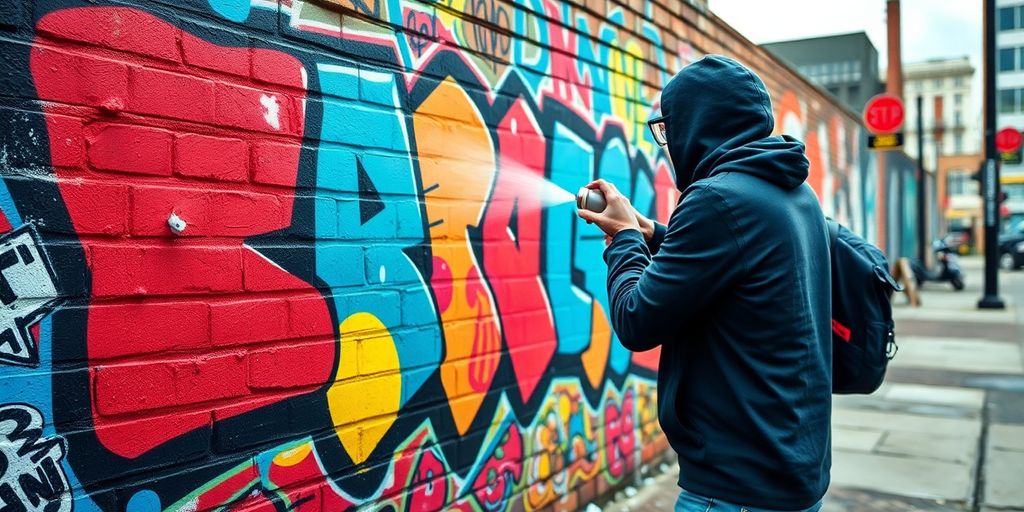
Graffiti and street art are all about pushing the limits of creativity. Artists use various methods to create eye-catching murals and urban art that make a statement. These techniques can transform ordinary spaces into vibrant canvases.
Stenciling and Layering
- Stenciling allows artists to create sharp, clean designs quickly.
- Layering involves applying multiple colors and patterns to add depth.
- Combining both techniques can lead to stunning visual effects.
Blending Colors for Visual Impact
- Artists often use spray paint to blend colors smoothly.
- This technique creates a gradient effect that draws the eye.
- Experimenting with different color combinations can lead to unique results.
Creating Intricate Patterns
- Intricate patterns can be achieved through careful planning and execution.
- Artists may use tools like brushes or sponges to add details.
- 3D graffiti is a popular style that creates an optical illusion, making the artwork appear to pop off the wall. This technique is often seen in urban settings, where artists explore the world of rocket01 and other sci-fi themes.
Graffiti and street art are not just about painting; they are about expressing ideas and emotions in public spaces. Artists have the power to inspire and provoke thought through their work, making every mural a conversation starter.
Textured Spray Painting for Unique Finishes
Textured spray painting is a fantastic way to add depth and interest to your surfaces. By using different techniques and materials, you can create stunning effects that transform ordinary items into extraordinary pieces of art. Here are some key aspects to consider:
Incorporating Additives for Texture
- Sand: Adding sand to your paint can create a gritty texture.
- Beads: Small beads can give a unique, raised effect.
- Fabric: Mixing in fabric pieces can add a soft, layered look.
Using Specialized Spray Equipment
- Textured Spray Guns: These tools can help you achieve specific textures.
- Air Compressors: They provide better control over the spray pattern.
- Nozzle Attachments: Different nozzles can create various effects.
Popular Applications and Surfaces
- Walls: Textured finishes can make walls more visually appealing.
- Furniture: Adding texture can revitalize old furniture.
- Art Projects: Artists often use textured spray painting for unique artwork.
Textured spray painting opens up a world of creativity. Experimenting with different materials and techniques can lead to unexpected and beautiful results. Don’t be afraid to try new things!
Essential Tips for Successful Spray Painting
Preparing Your Workspace
Before diving into your spray painting project, setting up a proper workspace is essential. Here are some key steps to follow:
- Choose a well-ventilated area, preferably outdoors, to avoid inhaling fumes.
- Cover nearby objects and surfaces to protect them from accidental paint splatters.
- Ensure good lighting to see your work clearly and spot any imperfections.
Choosing the Right Tools
Selecting the right tools can make a big difference in your results. Consider the following:
- Invest in quality spray paint and a reliable spray gun or can.
- Experiment with different nozzles to find the best spray pattern for your project.
- Keep essential tools like masking tape, stencils, and brushes handy.
Practicing Techniques
To master spray painting, practice is key. Focus on these foundational techniques:
- Control the spray to create even coats.
- Work on blending colors smoothly.
- Layer colors to add depth and interest to your artwork.
Remember: Consistent practice will help you improve your skills and gain confidence in your abilities.
Experimenting with Surfaces
Don’t limit yourself to just one type of surface. Try different materials like:
- Canvas
- Wood
- Metal
- Glass
Each surface will give your artwork a unique look and feel.
Understanding Color Theory
A basic understanding of color theory can enhance your spray painting. Familiarize yourself with:
- Complementary colors
- Color harmonies
- Color temperature
This knowledge will help you create more visually appealing compositions.
Avoiding Common Mistakes
To achieve the best results, keep these tips in mind:
- Prevent drips: Don’t spray paint vertically. Maintain a consistent distance and angle to the surface you’re painting.
- Use multiple thin coats instead of one thick coat to avoid runs and uneven finishes.
- Always clean and prepare your surfaces before painting to ensure good adhesion.
Advanced Techniques for Professional Results
Controlled Spraying Environment
To achieve the best results in spray painting, it’s crucial to maintain a controlled environment. This means:
- Working indoors or in a well-ventilated area.
- Keeping the temperature between 60°F and 80°F.
- Avoiding windy conditions that can affect the spray pattern.
Optimal Distance and Angle
The distance and angle at which you spray can greatly impact the finish. Here are some tips:
- Hold the spray can about 6 to 12 inches away from the surface.
- Angle the nozzle at about 30 degrees to ensure an even coat.
- Test spray on a scrap piece to find the best distance for your project.
Consistent Movement and Overlapping Strokes
To avoid drips and uneven coverage, practice consistent movement. Follow these steps:
- Move your hand in a steady motion, from left to right.
- Overlap each stroke by about 50% to ensure full coverage.
- Keep a steady pace to maintain an even application.
Mastering these advanced techniques can help you spray paint like a pro. With practice, you’ll see stunning results in your projects!
Exploring Free Online Tutorials for Spray Painting
Spray painting is a fun and creative way to express yourself. The internet is full of free tutorials that can help you learn new techniques and improve your skills. Here’s what you can find:
Benefits of Online Learning
- Access to a Variety of Techniques: You can learn everything from basic skills to advanced methods.
- Learn at Your Own Pace: Online tutorials allow you to practice whenever you want.
- Diverse Styles: Explore different styles, from graffiti to fine art.
Top Resources and Websites
- YouTube: A great platform for visual learners with countless video tutorials.
- Art Blogs: Many artists share their tips and tricks through written guides.
- Online Art Communities: Join forums where you can ask questions and share your work.
Tips for Maximizing Learning Experience
- Practice Regularly: The more you paint, the better you’ll get.
- Take Notes: Jot down important points from tutorials to remember later.
- Experiment: Don’t be afraid to try new techniques and make mistakes.
Online tutorials can be a game-changer for your spray painting journey. They provide valuable insights and help you develop your unique style. Remember, practice makes perfect!
Conclusion
Spray painting opens up a world of creativity and self-expression. No matter if you are a pro or just starting out, learning different spray painting methods can help you turn your ideas into reality. By practicing and trying out new techniques, you can discover your artistic abilities and make a strong impact with every spray. So grab your spray can and let your imagination run wild!
Frequently Asked Questions
What is airbrush painting and how is it used?
Airbrush painting uses a special tool to spray paint very finely. This allows artists to make detailed designs and blend colors smoothly. It’s often used for custom art, murals, and illustrations.
What is electrostatic spray painting?
Electrostatic spray painting is a method where paint particles are charged with electricity. This helps the paint stick evenly to surfaces, reducing waste. It’s commonly used in industries like automotive and metal finishing.
What techniques do graffiti artists use?
Graffiti artists use various methods like stenciling, layering, and blending colors. They create eye-catching murals and street art that often make bold statements.
How can I add texture to my spray painting?
You can add texture by mixing special materials into the paint or using special spray tools. This technique is great for making surfaces look more interesting and can be used on walls, furniture, and more.
What should I do to prepare for spray painting?
Before you start spray painting, make sure your workspace is clean and well-ventilated. Choose the right tools and practice basic techniques to improve your skills.
Where can I find online tutorials for spray painting?
There are many free online tutorials available for spray painting. These resources can help you learn new techniques and improve your skills, no matter your experience level.




 PERFECT PAINTER
Leave a comment