

Winter brings a unique blend of colors that reflect the chill and beauty of the season. Understanding the winter color palette can help you choose shades that enhance your natural features and suit your style. This guide will explore the characteristics of winter colors, the different winter subtypes, and how to combine these colors for a striking look.
Key Takeaways
- Winter colors are cool and often high in contrast, making them stand out.
- There are three main winter subtypes: True Winter, Bright Winter, and Cool Winter, each with its unique color palette.
- True Winter colors include icy tones and jewel shades like emerald and cobalt.
- Bright Winter adds a touch of spring with clearer, brighter colors.
- Cool Winter features deeper, exotic shades that are still cool-toned.
Understanding the Winter Color Palette
Winter colors are known for their coolness and clarity. They often include shades that are deep, vibrant, and high in contrast. This palette is perfect for those who want to stand out with bold colors. Here are some key characteristics of winter colors:
Characteristics of Winter Colors
- Cool Tones: Winter colors are primarily cool, meaning they have blue undertones.
- High Contrast: The colors in this palette often contrast sharply with each other, creating a striking look.
- Vivid and Bright: Expect to see bright jewel tones like ruby red and sapphire blue.
Importance of Cool Tones
Cool tones are essential in the winter palette because they:
- Enhance the natural beauty of winter types.
- Provide a fresh and crisp appearance.
- Allow for versatile styling options.
High Contrast in Winter Colors
High contrast is a defining feature of winter colors. It means that the colors you wear are very different from each other. For example, pairing black and white with a bright color like red creates a stunning visual effect. Here’s a quick comparison:
| Outfit Type | Example Colors |
|---|---|
| High Contrast | Black, White, Red |
| Low Contrast | Shades of Blue |
Winter colors are not just about being bright; they also include some softer shades. Pastels like baby blue and soft pink can work well when chosen carefully.
In summary, understanding the winter color palette can help you make better fashion choices that highlight your unique features. Embrace the cool, clear, and vibrant colors of winter!
True Winter: The Quintessential Winter Palette

Defining True Winter Colors
True Winter colors are cool and bright, embodying the essence of winter at its peak. This palette features shades that reflect the stark contrast of snowy landscapes and dark nights. The colors are characterized by:
- Cool undertones: Predominantly blue, with no warm yellows.
- High contrast: Dark and light shades create a striking visual impact.
- Vibrant hues: Colors are saturated and lively, making them stand out.
Best Colors for True Winter
The best colors for True Winter individuals include:
- Holly berry red
- Emerald green
- Cobalt blue
- True black and white
These colors work well together, creating a bold and eye-catching look.
| Color | Description |
|---|---|
| Holly Berry | Bright, vivid red |
| Emerald Green | Deep, rich green |
| Cobalt Blue | Bright, striking blue |
| True Black | Deep, dark black |
| True White | Pure, bright white |
Styling Tips for True Winter
To make the most of your True Winter palette, consider these styling tips:
- Mix high contrast: Pair dark colors with bright accents for a dynamic look.
- Use neutrals wisely: Incorporate true black and white as foundational pieces.
- Add pops of color: Use vibrant colors to create focal points in your outfits.
True Winter individuals shine in the widest range of Winter colors, making it easy to find flattering options. Embrace the boldness of your palette!
Bright Winter: Adding a Touch of Spring
Identifying Bright Winter Colors
Bright Winters are known for their vibrant and clear appearance. They often resemble Springs, showcasing bright blue eyes and light hair. The key colors for this palette include:
- Shocking pink
- Chinese blue
- Icy greys
- Acid yellow
These colors are bright and lively, making them perfect for adding a touch of spring to your winter wardrobe.
Best Colors for Bright Winter
The best colors for Bright Winters are those that stand out and create a striking contrast. Here’s a quick table of recommended colors:
| Color Type | Examples |
|---|---|
| Bright Neutrals | Icy greys, white |
| Bold Colors | Shocking pink, cobalt blue |
| Accent Colors | Acid yellow, true red |
Styling Tips for Bright Winter
To make the most of your Bright Winter palette, consider these styling tips:
- Mix light and dark tones for a high-contrast look.
- Use unexpected color combinations to highlight your features.
- Incorporate accessories in your best colors to elevate any outfit.
Bright Winters shine when they embrace their high-contrast colors, creating a stunning visual impact.
By understanding and utilizing the Bright Winter palette, you can effortlessly blend the coolness of winter with the brightness of spring, creating a unique and vibrant style.
Cool Winter: The Deep and Exotic Palette
Characteristics of Cool Winter
Cool Winter colors are at the deepest end of the Winter palette. They are very cool-toned, leaning more towards blue than any warm shades. This palette includes colors like:
- Charcoal grey
- Deepest indigo
- Navy blue
- Burgundy
- Very pale grey (better than stark white)
Best Colors for Cool Winter
The best colors for a Cool Winter are those that maintain a cool essence without warmth. Here’s a quick list of ideal shades:
- Cool pinky purples
- Dark pine green
- Purplish indigo
- Crisp white
- Bluey silver
Styling Tips for Cool Winter
When dressing in Cool Winter colors, consider these tips:
- Mix light and dark shades for contrast.
- Use neutrals effectively to balance your look.
- Incorporate a few bright colors to add life to your outfit.
Remember, the key to a Cool Winter palette is to embrace the coolness and clarity of the colors. Experiment with different combinations to find what feels best for you!
Combining Winter Colors for Maximum Impact
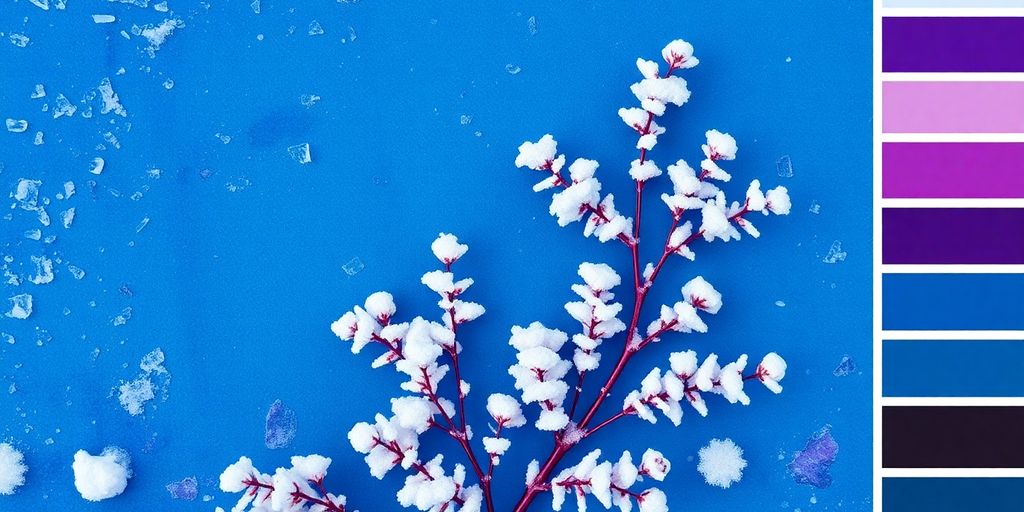
High Contrast Combinations
Combining colors effectively is key to making a bold statement in your winter wardrobe. Here are some great combinations:
- Black and white: This classic duo is striking and timeless.
- Dark blue and bright blue: This pairing adds depth and vibrancy.
- Light grey with bright pink: A soft neutral with a pop of color creates a fresh look.
Using Neutrals Effectively
Neutrals can enhance your winter palette. Here’s how to use them:
- Choose light beiges and greys as your base.
- Pair them with vivid colors for contrast.
- Avoid warm, earthy tones like golden browns, as they clash with winter colors.
Incorporating Pastels
While winter colors are often bold, you can also use pastels:
- Icy blue: A cool pastel that complements darker shades.
- Soft pink: Adds a gentle touch without overwhelming.
- Sea glass green: A refreshing accent that works well with neutrals.
Remember, high contrast is your friend! It brings out the best in your winter colors and keeps your outfits lively.
To make brown work within the winter palette, pair it with other cool and vivid colors. For example, a cool brown coat can be paired with an icy blue scarf or …
Choosing the Right Winter Palette for You
Determining Your Winter Subset
To find your perfect winter palette, start by identifying your specific winter subset. There are three main types:
- True Winter: Cool, deep, and bright colors.
- Bright Winter: Clear and vibrant hues with a touch of spring.
- Cool Winter: Deep and exotic shades that are rich and bold.
Color Analysis Techniques
Understanding your unique coloring is essential. Here are some techniques to help:
- Self-Assessment: Look at your skin tone, hair, and eye color.
- Color Swatches: Test different colors against your skin to see which ones enhance your natural beauty.
- Professional Analysis: Consider consulting a color expert for a detailed analysis.
Common Mistakes to Avoid
When choosing your winter palette, be mindful of these common pitfalls:
- Ignoring Your Subset: Each winter type has specific colors that work best.
- Mixing Seasons: Avoid colors from other seasonal palettes, as they may clash with your natural tones.
- Overlooking Neutrals: Neutrals are essential for balancing your outfits. Stick to classic shades like black and white.
Remember, the winter color palette focuses on bold, cool, deep hues with high contrast. Choosing the right colors can make a significant difference in your overall look!
Final Thoughts on Winter Colors
In conclusion, understanding the True Winter color palette can really help you shine during the colder months. This palette is all about cool, bright colors that reflect the beauty of winter. From icy blues to bold reds, these shades can make your outfits pop. Remember, the key is to embrace high contrast and choose colors that make you feel confident. So, whether you’re dressing for a winter event or just want to brighten up your wardrobe, the True Winter colors are here to help you look your best.
Frequently Asked Questions
What are winter colors?
Winter colors are bright and cool shades, often with blue undertones. They include colors like icy blues, deep reds, and stark whites.
How do I know if I am a winter type?
If you have cool-toned skin, dark hair, and high contrast between your features, you might be a winter type.
What is the True Winter palette?
The True Winter palette features bold and bright colors, such as black, white, and jewel tones like emerald and sapphire.
Can I wear pastels as a winter type?
Yes, some winter types can wear selected pastels, but they should be cool-toned and not too muted.
What are some common mistakes when choosing winter colors?
A common mistake is choosing warm or muted colors, which can clash with winter types’ cool undertones.
How can I combine winter colors effectively?
To combine winter colors, focus on high contrast. Pair bright colors with neutrals or combine different bright shades.





 PERFECT PAINTER
Leave a comment