
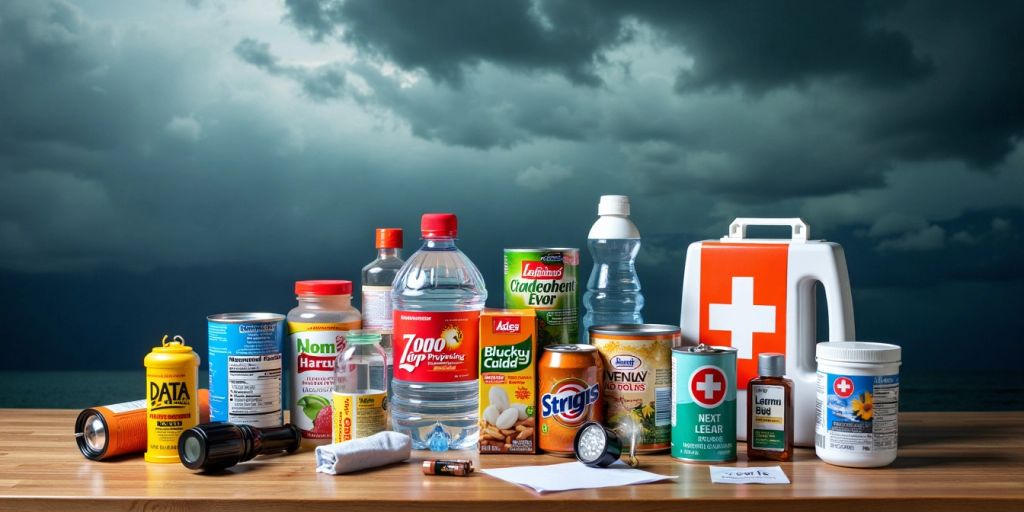
As hurricane season approaches, it’s crucial to be prepared. This checklist will guide you through essential steps to ensure your safety and the safety of your loved ones. From gathering supplies to creating a solid evacuation plan, being ready can make all the difference when a storm hits.
Key Takeaways
- Collect enough food and water for at least three days.
- Secure your home by boarding up windows and clearing gutters.
- Have a clear evacuation plan and know where to go.
- Stay updated with weather alerts and use a battery-powered radio.
- After the storm, check for hazards and avoid flooded areas.
Gathering Essential Supplies
When preparing for a hurricane, it’s crucial to gather essential supplies that will help you stay safe and comfortable during the storm. Here’s what you need:
Food and Water
- Stock up on non-perishable food items like canned goods, energy bars, and dried fruits.
- Ensure you have at least one gallon of water per person per day for at least three days.
- Don’t forget a manual can opener!
First Aid Kit
- A well-stocked first aid kit is vital. Include:
- Adhesive bandages
- Antiseptic wipes
- Pain relievers
- Any personal medications
Medications
- Keep a one-month supply of essential medications in a child-proof container.
- Make sure to have a list of all medications and dosages.
Personal Documents
- Safeguard important documents such as:
- Identification cards
- Insurance policies
- Medical records
- Store these in a waterproof pouch to protect them from water damage.
Remember, being prepared can make a big difference in your safety and comfort during a hurricane. Build a kit with all the necessary items to survive on your own for several days after a disaster.
Preparing Your Home
Securing Windows and Doors
To protect your home from strong winds and flying debris, secure your windows and doors. Use storm shutters or plywood to cover windows. Make sure all doors are reinforced and can withstand high winds.
Clearing Gutters and Drains
Keep your gutters and drains clear to prevent water buildup. Clogged gutters can lead to water damage. Regularly check and clean them before the hurricane season.
Reinforcing the Roof
A strong roof is essential. Inspect your roof for loose shingles and repair any damage. Consider adding straps to secure the roof better. This can help prevent it from being lifted off during a storm.
Trimming Trees and Shrubs
Trim any overhanging branches and shrubs around your home. This reduces the risk of branches breaking off and causing damage. Keep your yard tidy to minimize debris during a hurricane.
Remember: Preparing your home can save you from costly repairs and keep your family safe during a hurricane.
| Task | Frequency | Importance |
|---|---|---|
| Secure windows and doors | Before hurricane | High |
| Clear gutters and drains | Monthly | Medium |
| Reinforce the roof | Annually | High |
| Trim trees and shrubs | Seasonally | Medium |
Creating an Evacuation Plan
When a hurricane approaches, having a solid evacuation plan is crucial. Here are some key steps to consider:
Identifying Evacuation Routes
- Know the safest routes out of your area.
- Check local maps for designated evacuation paths.
- Stay updated on road conditions and closures.
Choosing a Safe Destination
- Identify shelters such as schools or community centers.
- Consider staying with friends or family outside the danger zone.
- Make sure your destination is pet-friendly if you have pets.
Preparing for Pets
- Pack a separate bag for your pets with food, water, and medications.
- Ensure your pets are wearing identification tags.
- Research pet-friendly shelters in advance.
Packing an Emergency Bag
- Include essentials like water, snacks, and a first aid kit.
- Don’t forget important documents in waterproof bags.
- Bring any necessary medications and a flashlight.
Remember: Planning ahead can save lives. Make sure everyone in your family knows the plan and practices it regularly.
By following these steps, you can ensure a smoother evacuation process when a hurricane strikes. Stay safe and be prepared!
Staying Informed During the Storm

Signing Up for Alerts
- Stay connected by signing up for emergency alerts from your local government. This will keep you updated on evacuation orders and safety information.
- Make sure to have a reliable way to charge your cell phone, as power outages can occur.
- Consider using a battery-powered radio to receive updates when the power is out.
Using a Battery-Powered Radio
- A battery-powered radio is essential during a hurricane. It allows you to listen to local news and weather updates even when other communication methods fail.
- Keep extra batteries on hand to ensure your radio stays operational throughout the storm.
Keeping Your Phone Charged
- Charge your phone before the storm hits. If you have a portable charger, keep it ready to use.
- Limit phone usage to conserve battery life, focusing on essential communications only.
Monitoring Weather Updates
- Regularly check weather updates from reliable sources. This includes local news stations and weather apps, if available.
- Preparation is key to keeping your loved ones safe during and after a hurricane. Stay informed to make the best decisions for your safety.
Post-Hurricane Safety Measures
After a hurricane, it’s important to stay safe and take the right steps. Here are some key actions to follow:
Checking for Hazards
- Stay indoors until authorities say it’s safe to go out.
- Look for downed power lines and report them immediately.
- Be cautious of damaged buildings and structures.
Reporting Damages
- Contact local authorities to report any hazards you find.
- Take pictures of your property damage for insurance claims.
- Keep a record of any repairs needed.
Avoiding Flood Waters
- Stay away from flood waters as they may contain sharp objects or hazardous materials.
- Don’t drive through flooded areas; it can be dangerous.
- Always check for warnings about contaminated water.
Remember, safety is the top priority after a hurricane. Take your time and stay alert to your surroundings.
Special Considerations for Vulnerable Populations
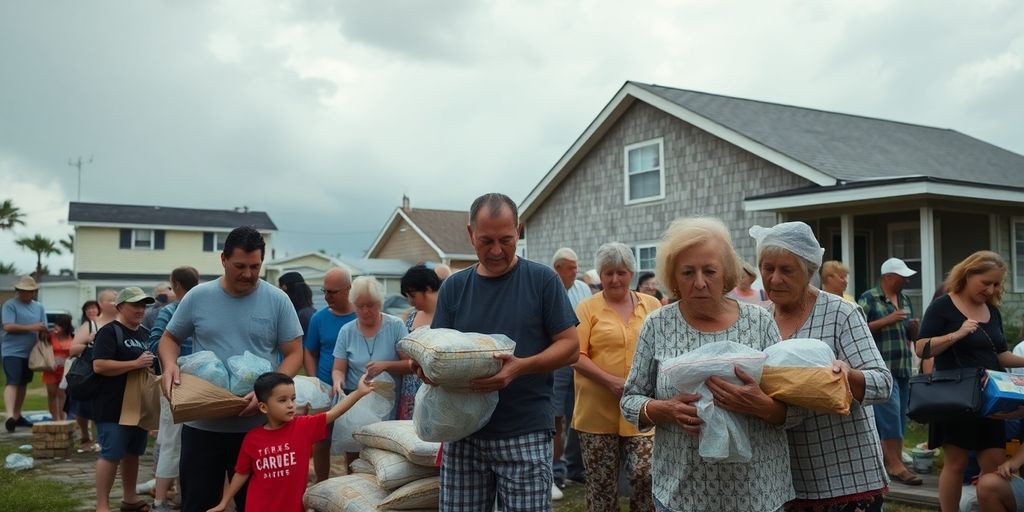
Children
- Keep children informed about the storm in a way they can understand.
- Have a plan for their care during an evacuation.
- Pack their favorite toys or comfort items in the emergency bag.
Older Adults
- Ensure they have enough medications for at least a month.
- Check that they have a way to communicate with family or caregivers.
- Consider their mobility needs when planning evacuation routes.
People with Disabilities
- Get tips on emergency planning for individuals with disabilities. Make sure to have necessary medical equipment ready.
- Plan for accessible transportation options during evacuations.
- Keep a list of important contacts and resources handy.
Pets
- Prepare a pet emergency kit that includes food, water, and medications.
- Make sure your pet has proper identification.
- Plan for pet-friendly shelters or accommodations if you need to evacuate.
It’s crucial to think about the unique needs of vulnerable populations during a hurricane. Planning ahead can save lives.
Building a Hurricane Kit
When preparing for a hurricane, having a well-stocked kit is crucial. This kit should help you survive for at least 72 hours without outside help. Here’s what you need:
Shelter and Warmth
- Emergency thermal blankets: Keep warm during power outages.
- Emergency ponchos: Stay dry in the rain.
- Face masks: Protect against dust and debris.
Tools and Equipment
- Multifunction tools: Include pliers, can openers, and utility knives.
- Leather-palmed work gloves: Protect your hands while working.
- Duct tape: Useful for repairs and securing items.
Communication Devices
- Battery-powered radio: Stay updated on weather alerts.
- Metal whistles: Signal for help if needed.
- Flashlight: Essential for visibility during power outages.
Sanitation and Hygiene
- Toilet paper: A basic necessity.
- Moist towelettes: For cleaning when water is scarce.
- Biohazard bags: For safe disposal of waste.
Remember: A well-prepared kit can make a big difference in your safety during a hurricane.
Summary Table of Essential Items
| Item | Quantity Needed |
|---|---|
| Water (1 gallon/day) | 3 gallons/person |
| Non-perishable food | 3 days worth |
| First aid supplies | 1 complete kit |
| Flashlight | 1 per person |
| Batteries | As needed |
By gathering these supplies, you can ensure that you and your family are ready for any hurricane that may come your way. Don’t forget to check your kit regularly and replace any expired items!
Final Thoughts on Hurricane Preparedness
As hurricane season approaches, it’s crucial to be ready. Having a plan and the right supplies can make a big difference for you and your family. Remember to gather your emergency kit, stay informed about the weather, and know where to go if you need to evacuate. Don’t wait until the last minute to prepare; take action now to keep everyone safe. By being proactive, you can help ensure that you and your loved ones are ready for whatever comes your way.
Frequently Asked Questions
What should I include in my hurricane supply kit?
Make sure to pack enough food and water for at least three days, a first aid kit, flashlights, batteries, and any medications you need. Don’t forget important documents and cash!
How can I prepare my home for a hurricane?
You should secure windows and doors, clean gutters, and trim any trees or shrubs that could fall. It’s also a good idea to check your roof for any weak spots.
What should I do if I need to evacuate?
Plan your route ahead of time and know where you will go. Make sure to pack an emergency bag with essentials like food, water, and personal items.
How can I stay informed during a hurricane?
Sign up for local alerts and keep a battery-powered radio handy. Make sure your phone is charged and monitor weather updates through reliable sources.
What steps should I take after the hurricane passes?
Check for hazards like downed power lines, report any damages, and avoid flood waters. Document any property damage for insurance purposes.
Are there special considerations for vulnerable groups during a hurricane?
Yes, children, older adults, and people with disabilities may need extra help. Make sure to have a plan that includes their needs, and consider pet-friendly evacuation options.





 PERFECT PAINTER
Leave a comment