

Color matching paint can be a tricky task, especially when you want to touch up existing walls. There are various methods and tools available to help you find the right shade, but it’s important to remember that achieving a perfect match is often challenging due to factors like lighting and paint finishes. This article will guide you through the best techniques to match paint colors effectively, ensuring your walls look fresh and seamless.
Key Takeaways
- Finding an exact paint match can be hard, so be prepared for slight differences.
- Lighting plays a big role in how paint colors appear, so check samples in different light.
- Using paint chips from the store can help you see how colors look on your wall.
- Tech tools like color matching apps and electronic devices can simplify the matching process.
- Sometimes, it’s best to repaint an entire wall for a more uniform look.
Understanding the Basics of Paint Matching
Why Exact Matches Are Difficult
Matching paint colors can be tricky. Even if you buy the same color, it might not look the same. This is because:
- Different batches of paint can vary slightly.
- The paint may have aged or faded over time.
- The finish (like matte or glossy) can change how the color appears.
The Importance of Lighting
Lighting plays a huge role in how paint looks. Here are some key points:
- Natural light can make colors appear brighter.
- Artificial light can change the hue, making it look warmer or cooler.
- Always check your paint samples in the same lighting where it will be applied.
Common Challenges in Paint Matching
When trying to match paint, you might face these challenges:
- Color Variations: Even small differences can be noticeable.
- Sheen Differences: A glossy finish reflects light differently than a flat finish.
- Surface Texture: The texture of the wall can affect how the paint looks.
Remember, achieving a perfect match is often difficult, but with the right techniques, you can get very close!
Using Paint Samples for Accurate Matching
Selecting the Right Paint Chips
When trying to match paint, using the right paint chips is crucial. Here are some steps to follow:
- Visit a local paint store and collect various paint chips.
- Hold the chips against your wall to see which one looks closest.
- Choose a few options that seem to match well.
Testing Samples on Your Wall
After selecting your paint chips, it’s time to test them:
- Purchase sample pots of your chosen colors.
- Paint small sections on your wall to see how they look when dry.
- Make sure to apply them in a spot that gets similar lighting to the rest of the room.
Evaluating Samples Under Different Lighting
Lighting can change how colors appear. To ensure you get the best match:
- Check the samples at different times of the day.
- Look at them in both natural and artificial light.
- Take note of any differences in how the colors look.
Remember, even with the best methods, finding an exact match can be tricky. It’s often better to paint a whole wall for a seamless look.
By following these steps, you can effectively use paint samples to find a color that closely matches your existing walls. This process can save you time and ensure a more satisfying result when touching up your paint.
Leveraging Technology for Paint Matching
Using Electronic Color Matchers
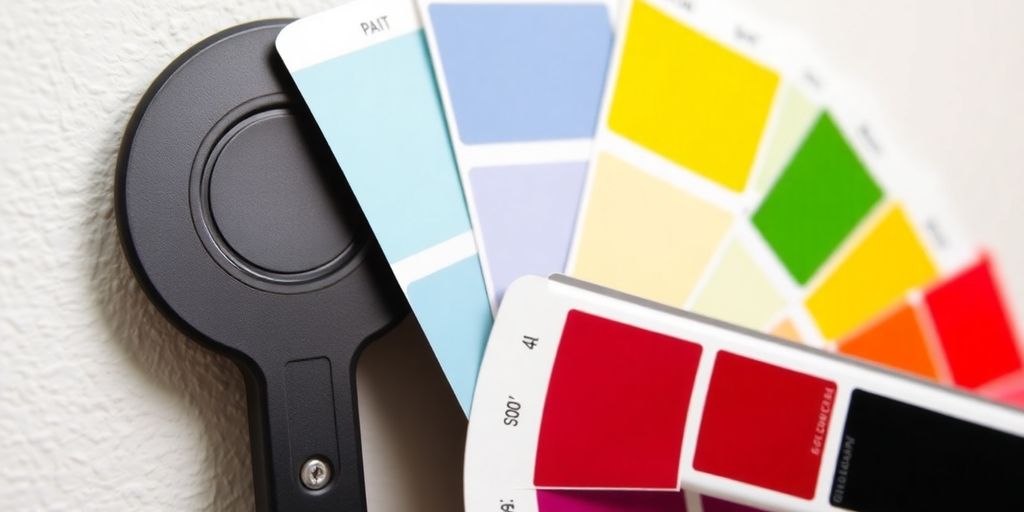
Electronic color matchers are handy tools that help you find the right paint color. The Datacolor Spectro 55 is one such device that is both effective and affordable. It works by analyzing the color of your wall and providing a precise match. You simply press it against the wall, and it does the rest!
Benefits of Paint Matching Apps
Many paint companies now offer mobile apps that can help you match colors. Here are some benefits of using these apps:
- Convenience: You can match colors from anywhere.
- Speed: Get results quickly without visiting a store.
- Variety: Explore different shades and finishes easily.
How Spectrophotometers Work
Spectrophotometers are advanced tools used in paint stores. They analyze a paint chip you bring in and provide an exact color match. Here’s how it works:
- Collect a Paint Chip: Cut a small piece from your wall.
- Analyze the Chip: The store uses a spectrophotometer to read the color.
- Get Your Match: You receive a color that closely matches your wall.
Using technology for paint matching can save you time and ensure a better finish. It’s a smart way to achieve a seamless look in your home!
Manual Methods for Matching Paint
Removing a Paint Chip
One effective way to match your wall paint is to remove a small chip from the wall. Here’s how to do it:
- Choose a spot that’s not easily visible, like behind a piece of furniture.
- Use a utility knife to carefully cut out a square piece of paint, about the size of a quarter.
- Make sure the chip is intact and not too deep; just take the top layer of paint.
This method allows paint specialists to analyze the chip and find the closest match.
Using Store Paint Chips
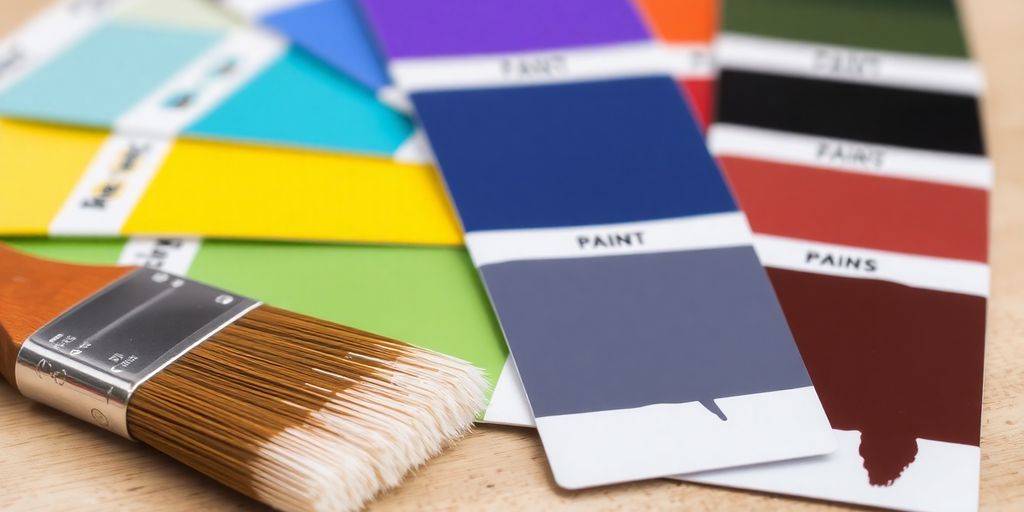
If you don’t want to cut your wall, you can use paint chips from the store. Here’s a simple process:
- Visit a local paint store and grab several paint chips that look similar to your wall color.
- Hold them up against your wall in different lighting to see which one matches best.
- Remember, colors can look different depending on the light, so check at various times of the day.
Creating Your Own Paint Chip
Another option is to create your own paint chip. Here’s how:
- Get a piece of wallpaper backing paper or a similar material.
- Paint a small section with the tester pot of paint you think matches.
- Let it dry and then compare it to your wall.
This method gives you a more accurate representation of how the paint will look once dried.
Using a paint chip from your wall can lead to the best match. It’s a straightforward way to ensure you get the right color without guessing.
Summary Table of Methods
| Method | Pros | Cons |
|---|---|---|
| Removing a Paint Chip | Accurate match | May damage wall |
| Using Store Paint Chips | No wall damage | May not find exact match |
| Creating Your Own Chip | Accurate dried color | Requires extra materials and time |
Tips for Applying Touch-Up Paint
Preparing the Wall Surface
Before you start painting, it’s crucial to prepare the wall surface. Here are some steps to follow:
- Clean the area: Remove any dirt or dust to ensure the paint sticks well.
- Sand the surface: Lightly sand the area to smooth out any rough spots.
- Prime if necessary: If the area is large or has been damaged, consider applying a primer.
Techniques for Blending Paint
To achieve a seamless look, use these techniques:
- Feathering: Apply paint to the center of the patch and drag it outwards to blend with the existing paint.
- Use a foam brush: For small patches, a foam brush can help create a smooth finish.
- Roller for larger areas: If the patch is bigger, use a mini roller to apply paint evenly.
Common Mistakes to Avoid
Avoid these pitfalls to ensure a successful touch-up:
- Skipping prep work: Always clean and sand the area before painting.
- Using too much paint: Apply thin layers to prevent noticeable brush strokes.
- Ignoring lighting: Check your work under different lighting conditions to ensure a good match.
Touching up paint can be tricky, but with the right techniques, you can make your walls look fresh and new again!
When to Repaint Entire Walls
Deciding When to Repaint
Repainting entire walls can be a big decision. Here are some signs that it might be time:
- Fading Colors: If your paint looks dull or faded, it may be time for a refresh.
- Visible Damage: Cracks, chips, or stains can make a wall look unappealing.
- Outdated Colors: Trends change, and what was once stylish may now feel outdated.
Techniques for Repainting
When you decide to repaint, consider these techniques:
- Corner to Corner: Paint the wall from one corner to the other for a seamless look.
- Feathering: Blend new paint into old paint to avoid noticeable lines.
- Use Quality Tools: A good brush or roller can make a big difference in the finish.
Choosing the Right Paint Finish
The finish you choose can affect the look of your walls:
- Matte: Hides imperfections but is harder to clean.
- Eggshell: A good balance between durability and appearance.
- Satin: Easy to clean and great for high-traffic areas.
Repainting can breathe new life into your home, making it feel fresh and inviting. Home touch-ups are the secret to preserving the beauty of your home without the need for a full repaint.
Final Thoughts on Color Matching Wall Paint
In conclusion, matching the paint on your walls can be a bit challenging, but it’s definitely doable. Remember, it’s tough to find an exact match, so don’t be surprised if the new paint looks slightly different. The best approach is to try out a few methods, like taking a paint chip to the store or using a color-matching app. If all else fails, repainting the entire wall might be the simplest solution. By following these tips, you can keep your walls looking fresh and beautiful without too much hassle.
Frequently Asked Questions
Why is it hard to match wall paint exactly?
Matching wall paint perfectly is tough because colors can look different in various lighting. Plus, even slight changes in paint batches can cause differences.
What should I do if I don’t have the original paint can?
If you don’t have the original paint, you can cut a small chip from the wall to take to a paint store. They can help match it.
How can lighting affect paint color?
Lighting can change how a color looks. A paint color might appear brighter in sunlight but darker in the evening.
Are paint matching apps reliable?
Yes, paint matching apps can help you find similar colors, but it’s always good to test the colors on your wall to see how they look.
What’s the best way to test paint samples?
The best way to test paint is to paint a large patch on your wall, like a 12×12 inch square, so you can see how it looks at different times of the day.
When should I consider repainting an entire wall?
If the touch-ups don’t blend well or if the wall has a lot of damage, it’s better to repaint the whole wall for a consistent look.





 PERFECT PAINTER
Leave a comment