

Interior design is more than just making spaces look good; it’s about creating functional environments that enhance the lives of those who use them. This guide will explore what interior design is, the role of designers, the skills needed, educational paths, emerging trends, career opportunities, and how good design can impact well-being.
Key Takeaways
- Interior designers create spaces that are both beautiful and useful.
- They need a mix of creative and technical skills to succeed.
- Education in interior design can come from various degree programs.
- Sustainability and technology are big trends in 2024 interior design.
- A career in interior design offers good job prospects and earning potential.
The Role of an Interior Designer
Interior designers play a crucial role in transforming spaces into functional and beautiful environments. They are not just about choosing colors and furniture; they focus on space planning and how to make the best use of every area. Here’s a closer look at their responsibilities:
Space Planning and Optimization
Interior designers carefully analyze a space to determine how to arrange furniture and other elements effectively. They consider:
- Traffic flow: Ensuring people can move easily through the space.
- Furniture placement: Deciding where to put items for both style and function.
- Zoning: Creating areas for different activities, like relaxing or working.
Balancing Aesthetics and Functionality
Designers must blend beauty with practicality. They ensure that a space looks good while also serving its intended purpose. This means:
- Choosing materials that are both attractive and durable.
- Making sure the design meets safety and building codes.
- Incorporating elements that enhance the user experience.
Client Collaboration and Vision Realization
A big part of an interior designer’s job is working closely with clients. They help bring the client’s vision to life by:
- Listening to their ideas and preferences.
- Sketching various design plans to visualize the outcome.
- Determining costs for different projects and sourcing materials and products for the designs. This collaboration is key to ensuring satisfaction.
Interior design is about creating spaces that not only look good but also feel good. It’s a blend of art and science that enhances everyday life.
Key Skills for a Successful Interior Designer
Interior designers need a mix of skills to thrive in their careers. Here are some essential abilities that can help them succeed:
Creativity and Originality
Creativity is at the heart of interior design. Designers must think outside the box to create unique spaces that reflect their clients’ personalities. Original ideas can set a designer apart in a competitive market.
Technical Proficiency
Understanding technical tools is crucial. Designers should be familiar with software like CAD (Computer-Aided Design) to create detailed plans and models. This knowledge helps in visualizing designs and communicating ideas effectively.
Communication and Collaboration
Effective communication is key. Designers must present their ideas clearly to clients and work well with other professionals, such as architects and contractors. Good collaboration ensures that everyone is on the same page, leading to successful projects.
Problem-Solving and Decision-Making
Interior designers often face challenges, such as space limitations or budget constraints. They need strong problem-solving skills to find creative solutions. Every design choice, from color to layout, requires careful decision-making to meet client needs.
Interior design is not just about making spaces look good; it’s about creating environments that enhance the quality of life.
| Skill | Importance Level |
|---|---|
| Creativity | High |
| Technical Proficiency | High |
| Communication | High |
| Problem-Solving | Medium |
By mastering these skills, aspiring interior designers can build a successful career and make a positive impact on their clients’ lives.
Educational Pathways to a Career in Interior Design
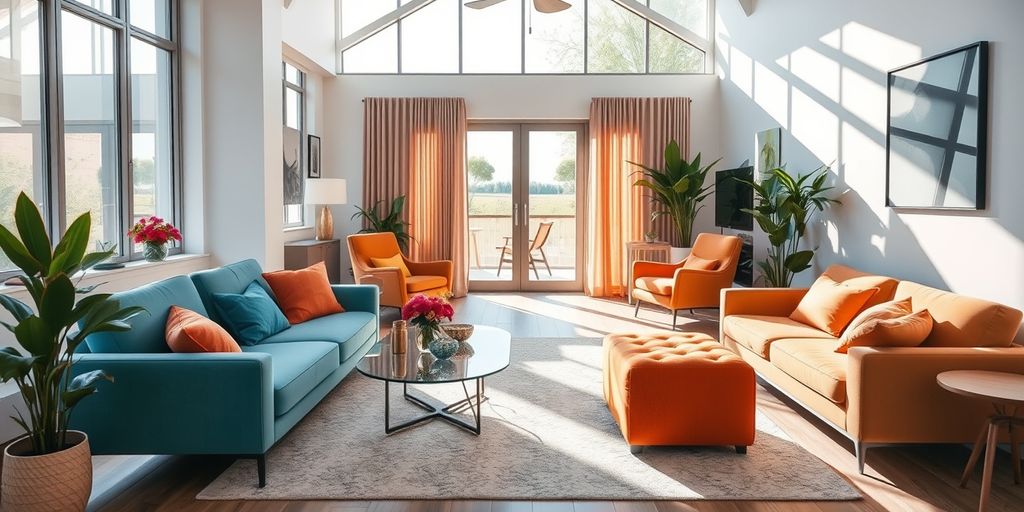
Degree Options and Specializations
To start a career in interior design, you typically need a degree. Here are the main options:
- Associate Degree: This is a quicker route, usually taking about two years. It provides basic skills and knowledge.
- Bachelor’s Degree: This is more comprehensive and preferred by employers. It usually takes four years and covers advanced topics in design.
Certifications and Licensing
After earning a degree, many designers pursue certifications to enhance their credentials. Some notable certifications include:
- Certified Interior Decorators International (CID): Focuses on residential design.
- California Council for Interior Design Certification (CCIDC): Specific to California, requiring education and exam.
- Certified Kitchen and Bath Designer (CKBD): Tailored for kitchen and bath specialists.
Continuing Education and Professional Development
Interior design is always changing, so ongoing education is important. Designers often take courses to stay updated on trends and technologies. This can include:
- Workshops
- Online courses
- Industry conferences
Interior design is a blend of creativity and technical skills, making education essential for success.
Emerging Trends in Interior Design for 2024
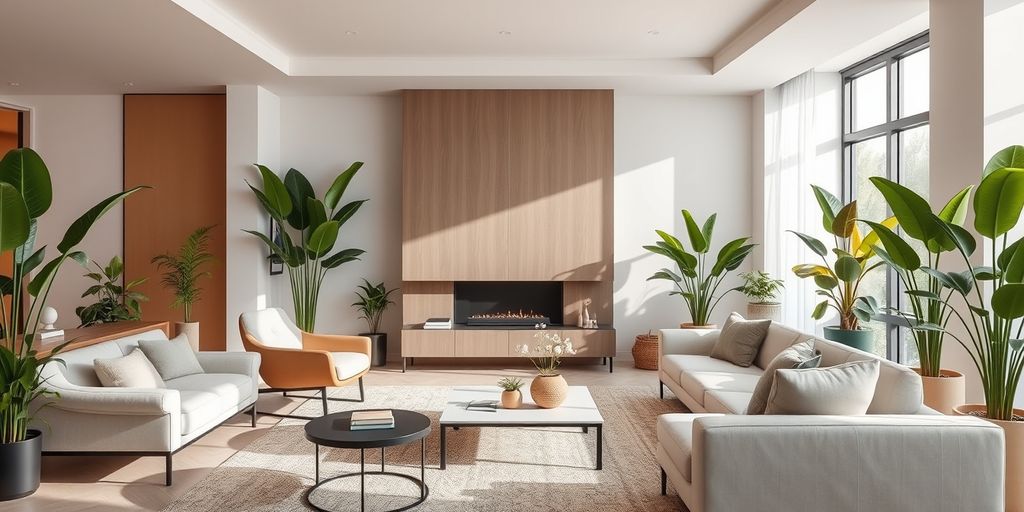
Sustainable and Eco-Friendly Design
In 2024, sustainability is more than just a trend; it’s a lifestyle choice. Designers are focusing on eco-friendly materials like reclaimed wood and recycled textiles. This shift not only helps the planet but also creates beautiful spaces. Here are some popular sustainable choices:
- Recycled materials
- Energy-efficient appliances
- Natural lighting solutions
Biophilic Design Elements
Bringing nature indoors is a key trend this year. Biophilic design focuses on creating spaces that connect us with the outdoors. Think about:
- Indoor gardens
- Green walls
- Natural textures and colors
Technological Integration in Design
Technology is changing how we design spaces. In 2024, expect to see more smart home features integrated into interior design. This includes:
- Smart lighting
- Automated climate control
- Advanced security systems
The future of interior design is about blending comfort with technology, making homes not just beautiful but also functional.
These trends show how interior design is evolving to meet the needs of modern living while keeping our planet in mind. As we move forward, expect to see more creativity and innovation in how we design our spaces!
Career Opportunities and Job Outlook
Industry Growth and Demand
The field of interior design is expanding, with a projected growth of 4% from 2022 to 2032. This is slightly above the national average for all jobs. Approximately 800 new jobs for interior designers are expected to open up each year, making it a promising career choice for those interested in design.
Salary Expectations
Interior designers earn a median annual salary of $62,510. This is higher than the average salary for all U.S. workers, which is around $48,060. Here’s a quick look at salaries in different industries:
| Industry | Median Annual Salary |
|---|---|
| Architectural, Engineering Services | $73,990 |
| Wholesale Trade | $67,520 |
| Specialized Design Services | $62,710 |
Alternative Career Paths for Interior Design Graduates
Graduates in interior design can explore various career options, including:
- Real Estate Staging Consultants: Help make homes look appealing for sale.
- Art Directors: Oversee creative projects in various media.
- Production Design Managers: Work in film and theater to create sets.
Interior design is not just about aesthetics; it plays a crucial role in enhancing the quality of life for individuals and communities.
Overall, the future looks bright for aspiring interior designers, with many opportunities for growth and specialization.
The Impact of Interior Design on Well-Being
Creating Functional and Comfortable Spaces
Interior design plays a crucial role in making spaces that are not only beautiful but also functional. When spaces are designed well, they can significantly improve our daily lives. Here are some key points:
- Comfort: Comfortable furniture and layouts can make a space feel inviting.
- Functionality: Well-planned spaces allow for easy movement and use.
- Personalization: Tailoring spaces to individual needs enhances comfort and satisfaction.
Enhancing Mental and Emotional Health
The way we feel in our surroundings can greatly affect our mood. Studies show that the better we feel indoors, the better our well-being. Here are some ways interior design can help:
- Natural Light: Incorporating windows and open spaces can boost mood and energy.
- Color Choices: Colors can influence emotions; for example, blues and greens are calming.
- Nature Elements: Adding plants can reduce stress and improve air quality.
Designing for Accessibility and Inclusivity
Creating spaces that everyone can enjoy is essential. This includes:
- Wide Pathways: Ensuring easy movement for all.
- Adjustable Furniture: Making sure furniture can be used by people of all heights and abilities.
- Clear Signage: Helping everyone navigate spaces easily.
Interior design is not just about looks; it’s about creating environments that support our health and happiness.
By focusing on these aspects, interior designers can make a significant impact on our overall well-being.
Conclusion
In summary, interior design is a fascinating blend of creativity and practicality. It’s not just about making spaces look good; it’s about making them work well for the people who use them. As we look ahead to 2024, the field continues to evolve, embracing new ideas and technologies. Whether you’re thinking about a career in interior design or just want to refresh your own space, remember that good design can truly enhance your life. So, take the leap and explore the endless possibilities that interior design has to offer!
Frequently Asked Questions
What does an interior designer do?
An interior designer helps to make spaces look nice and work well. They plan how to arrange furniture and choose colors and materials that fit the client’s needs.
What skills do I need to become an interior designer?
To be a good interior designer, you should be creative, good at solving problems, and able to communicate well with clients and other workers.
What education do I need for a career in interior design?
You usually need a degree in interior design or a related field. Some people also get special licenses or certifications.
What are the latest trends in interior design for 2024?
In 2024, popular trends include eco-friendly designs, bringing nature indoors, and using technology to enhance spaces.
What is the job outlook for interior designers?
The job outlook for interior designers is positive, with a projected growth of about 4% from 2022 to 2032, which is better than many other jobs.
How much do interior designers earn?
The average salary for interior designers in the U.S. is about $62,510 a year, but it can be higher depending on the industry and experience.





 PERFECT PAINTER
Leave a comment