
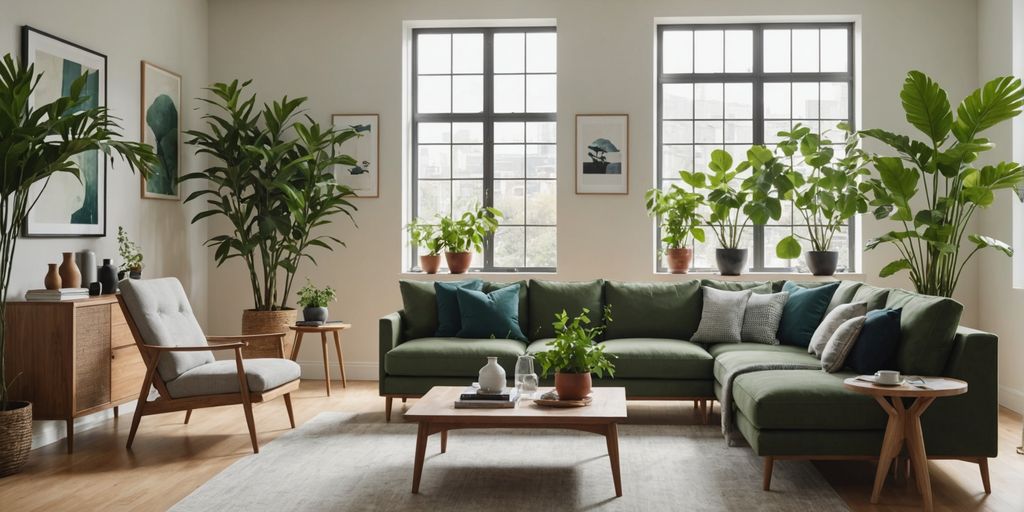
Feng Shui is an ancient Chinese practice that aims to harmonize individuals with their surrounding environment. It involves arranging living spaces to promote the flow of positive energy, known as Chi. This practice, which dates back over 3,000 years, is rooted in the Taoist understanding of nature and the belief that the land is alive and brimming with energy. By balancing elements like wind and water, Feng Shui seeks to bring good health, fortune, and well-being to those who apply its principles.
Key Takeaways
- Feng Shui is an ancient Chinese practice focused on harmonizing individuals with their environment.
- The practice involves arranging living spaces to enhance the flow of positive energy, known as Chi.
- Core principles include the balance of Yin and Yang, the Five Elements, and the use of the Bagua Map.
- Feng Shui can be applied in various aspects of life, including home design, health, and well-being.
- Modern interpretations and adaptations of Feng Shui continue to influence interior design and lifestyle choices globally.
The Origins of Feng Shui
Historical Background
Feng Shui, an ancient Chinese practice, is believed to have started during the Zhou dynasty, over 4,000 years ago. It is deeply rooted in Taoist beliefs about the flow of life force, or chi. Early uses of Feng Shui included determining the best locations for graves, as the right placement was thought to bring blessings to future generations, while poor placement could bring misfortune.
Cultural Significance
Throughout history, Feng Shui has played a significant role in Chinese culture. It was used to decide the ideal locations for buildings and gardens. For example, the Forbidden City in Beijing, built during the Ming dynasty, follows Feng Shui principles with its north-south alignment to enhance positive energy flow. Feng Shui was also a method of colonial resistance during China’s Century of Humiliation, helping to maintain local sovereignty.
Evolution Over Time
Feng Shui has evolved over the centuries, adapting to various dynasties and political changes. During the rise of Communist China, traditional practices like Feng Shui were suppressed, but it survived due to its decentralized nature. After China’s Reform and Opening-Up, Feng Shui saw a resurgence, aligning with the new focus on individualism and social competition. Today, it remains a popular practice, blending ancient techniques with modern interpretations.
Core Principles of Feng Shui
Yin and Yang
Yin and Yang are the two opposing but complementary forces that make up chi, the life force energy. Balancing these forces is essential for harmony in your home. Yin represents calm and passive energy, while Yang is active and vibrant. Together, they create a dynamic balance that influences the flow of energy in your space.
The Five Elements
Feng Shui principles also focus on the five elements: earth, metal, water, wood, and fire. Each element has its own characteristics and influences different aspects of life. Here’s a quick overview:
- Earth: Stability, knowledge, wellness (Colors: yellow, orange, brown)
- Wood: Vitality, family (Colors: green, blue)
- Water: Flow, career (Color: black)
- Fire: Passion, fame (Color: red)
- Metal: Efficiency, helpfulness (Colors: white, metallic)
Balancing these elements in your home can enhance your well-being and create a harmonious environment.
The Bagua Map
The Bagua Map is an octagonal energy map used to analyze the energy flow in your home. It is divided into eight areas, each corresponding to a different aspect of life, such as prosperity, relationships, and knowledge. The center of the map represents overall health and wellness. By aligning the Bagua Map with your home’s floor plan, you can identify areas that need improvement and make adjustments to enhance the flow of positive energy.
Understanding and applying these core principles can help you create a balanced and harmonious living space, improving your overall quality of life.
Applying Feng Shui in Your Home
Room-by-Room Guide
To bring harmony and balance into your home, start by focusing on one room at a time. Each room has its own energy and purpose, so tailor your approach accordingly. For example, the living room should be inviting and promote social interactions, while the bedroom should be a sanctuary for rest and relaxation.
Furniture Placement
Ideal furniture placement can enhance feelings of confidence and safety within each room. According to feng shui experts, furniture is in a commanding position when it’s facing a door or entryway and places your back against a solid wall. This allows you to see who is entering the room and know what is behind you.
Color and Material Choices
Colors and materials play a significant role in feng shui. Different colors and materials correspond with specific objectives. For example, purple corresponds with wealth, and wood elements are associated with vitality and upward movement. By combining these principles with ideal furniture placement, you can decorate your home to improve focus and build success.
After those initial improvements have been made, focus on other rooms or areas of your life. Observe the elements of each room, and then bring the corresponding feng shui items. The intent is to bring positive energy to those rooms, areas of your life, and ultimately your entire home.
Feng Shui for Health and Well-being
Enhancing Energy Flow
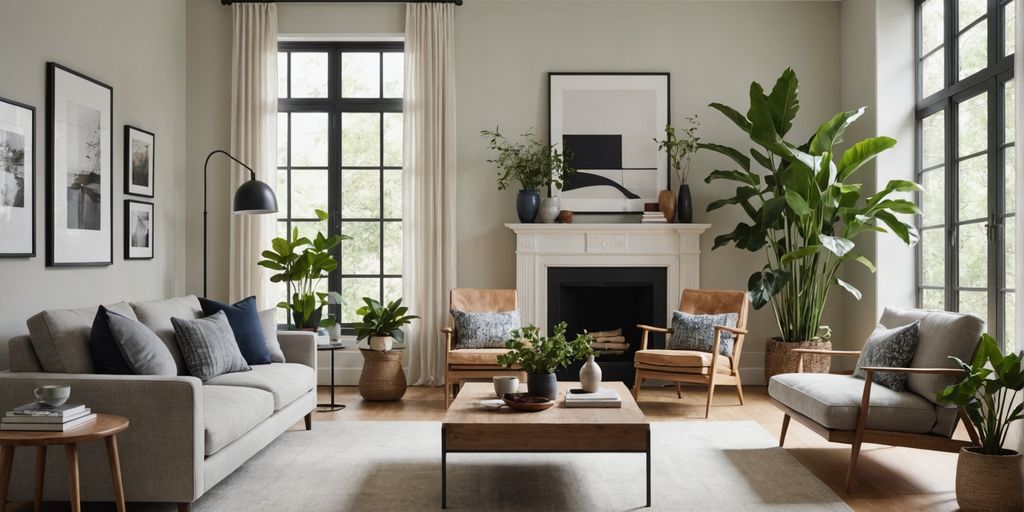
Feng Shui can help balance the energy in your home, making it a more harmonious place. Start by decluttering your space to allow positive energy, or chi, to flow freely. Use plants with rounder, softer leaves to nourish your personal energy. Also, consider the placement of major furniture pieces like your bed or desk. They should be in a commanding position, which is the spot farthest from the door but not directly in line with it.
Improving Sleep Quality
Applying Feng Shui principles to your bedroom can lead to better sleep. Position your bed so you can see the door but are not directly in line with it. This placement helps you feel safe and secure. Use calming colors like blues and greens, and keep electronics to a minimum to reduce distractions.
Reducing Stress
Feng Shui can also help reduce stress by creating a more relaxing environment. Introduce natural elements like water features or wooden decor to bring a sense of calm. Keep your home well-lit with natural light to enhance well-being. Fix any broken items, especially mirrors, to improve the chi of your space.
While Feng Shui isn’t a magic wand to erase life’s stressors, it can enhance the flow of energy and increase positive feelings in your home.
Common Feng Shui Practices
Using Plants and Natural Elements
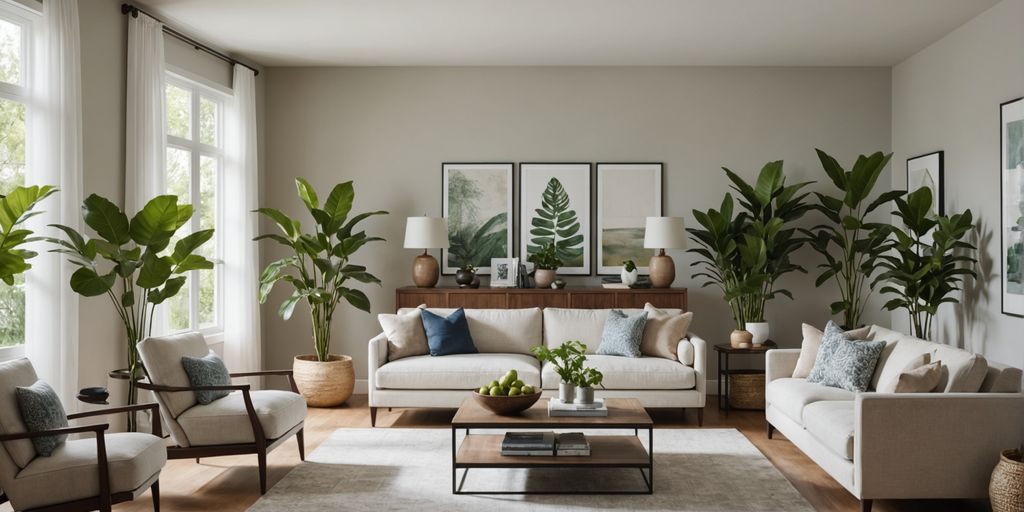
Incorporating plants and natural elements into your home is a fundamental practice in Feng Shui. Plants are believed to bring positive energy and improve air quality. Popular choices include bamboo, jade plants, and peace lilies. These plants not only enhance the aesthetic appeal but also contribute to a healthier living environment.
Decluttering and Organization
A clutter-free space is essential for good Feng Shui. Clutter can block the flow of energy, leading to feelings of stress and chaos. Here are some tips to help you declutter:
- Start with one room at a time.
- Keep only items that you love or need.
- Use storage solutions to keep things organized.
A well-organized home can significantly improve your mental clarity and overall well-being.
Incorporating Water Features
Water features, such as fountains or aquariums, are commonly used in Feng Shui to attract wealth and prosperity. The sound of flowing water is soothing and can help to create a calm and peaceful atmosphere. When placing water features, make sure they are clean and well-maintained to avoid stagnant energy.
By following these common Feng Shui practices, you can create a more harmonious and balanced living space.
Modern Interpretations of Feng Shui
Feng Shui in Western Culture
Feng Shui gained new prominence in the West after U.S. President Richard Nixon’s visit to China in 1972. In the 1980s, Feng Shui master Thomas Lin Yun Rinpoche founded the influential Black Hat Sect Tantric Buddhist (BTB) style of Feng Shui in Berkeley, California. This form of Feng Shui became widely popular in the West. The BTB method uses a bagua chart that shows correspondences between cardinal directions and aspects of life, including wealth and prosperity, fame and recognition, love and relationships, family, health, creativity and children, knowledge and self-cultivation, career, and travel and helpful people.
Contemporary Adaptations
Modern interpretations of the bagua have added a ninth area in the center to represent health and balance. Outside of the established methods or schools, some followers of contemporary Feng Shui may apply Feng Shui principles in architecture and interior design through self-study. Additionally, some followers may employ a Feng Shui master or consultant.
Criticisms and Controversies
Because Feng Shui has little to no grounding in empirical science, and because of its complexity and the diverse forms with which it is practiced, many have criticized it as irrational, fraudulent, or both. Some Chinese academics have viewed the renewed study of Feng Shui as a regression. Some Christians have argued that the practice of Feng Shui is incompatible with belief in a sovereign God, and others have claimed that verses in the Christian Bible that warn against divination, magic, and sorcery may pertain to Feng Shui. Some scholars and practitioners of more traditional Feng Shui methods have argued that the popular versions of Feng Shui are oversimplified and removed from its roots.
Feng Shui Tips for Beginners
Starting Small
When you’re new to Feng Shui, it’s best to start with small changes. Focus on one room at a time to avoid feeling overwhelmed. Begin by decluttering your space, as too much clutter can block positive energy, or chi. Make sure to balance the elements: ensure that all five elements are present in your home to maintain harmony. Use colors, materials, and decor that represent each element.
Common Mistakes to Avoid
- Ignoring clutter: Clutter can block the flow of energy, so keep your space tidy.
- Overloading on one element: Balance is key. Don’t use too much of one element, like water or fire.
- Poor furniture placement: Avoid placing furniture in direct line with doors, as this can disrupt energy flow.
- Neglecting repairs: Fix broken items to keep positive energy flowing.
Resources for Further Learning
- Books: Look for beginner-friendly books on Feng Shui to deepen your understanding.
- Online Courses: Many websites offer courses that can guide you through the basics.
- Consult a Professional: If you’re serious about Feng Shui, consider hiring a consultant for personalized advice.
Starting with small changes can make a big difference in harmonizing your home. Remember, the goal is to create a balanced and positive environment.
Conclusion
Feng shui is more than just an ancient Chinese practice; it’s a way to bring balance and harmony into your home and life. By understanding and applying its principles, you can create a space that feels good and supports your well-being. Whether you’re rearranging furniture, adding plants, or balancing colors, small changes can make a big difference. Remember, the goal is to create a positive flow of energy that enhances your health, relationships, and overall happiness. So, take a step towards a more balanced life by embracing the art of feng shui.
Frequently Asked Questions
What is Feng Shui?
Feng Shui is an ancient Chinese practice that involves arranging your living space to promote balance and harmony with the natural world. It aims to enhance the flow of energy, or chi, to improve well-being.
How do you pronounce Feng Shui?
Feng Shui is pronounced as ‘fung shway’.
What are the main principles of Feng Shui?
The main principles include the balance of Yin and Yang, the use of the Five Elements (wood, fire, earth, metal, and water), and the Bagua Map, which is a tool used to analyze the energy in a space.
Can Feng Shui improve my health?
Yes, Feng Shui can help improve your health by enhancing the flow of positive energy in your living space, which can lead to better sleep, reduced stress, and overall well-being.
Do I need a Feng Shui expert to arrange my home?
While a Feng Shui expert can provide detailed advice, you can start with simple steps like decluttering, using natural elements, and arranging furniture to allow for better energy flow.
Is Feng Shui a science?
Feng Shui is considered a traditional practice and is often viewed as a form of art rather than a science. It is based on ancient Chinese beliefs and philosophies.




 PERFECT PAINTER
Leave a comment