
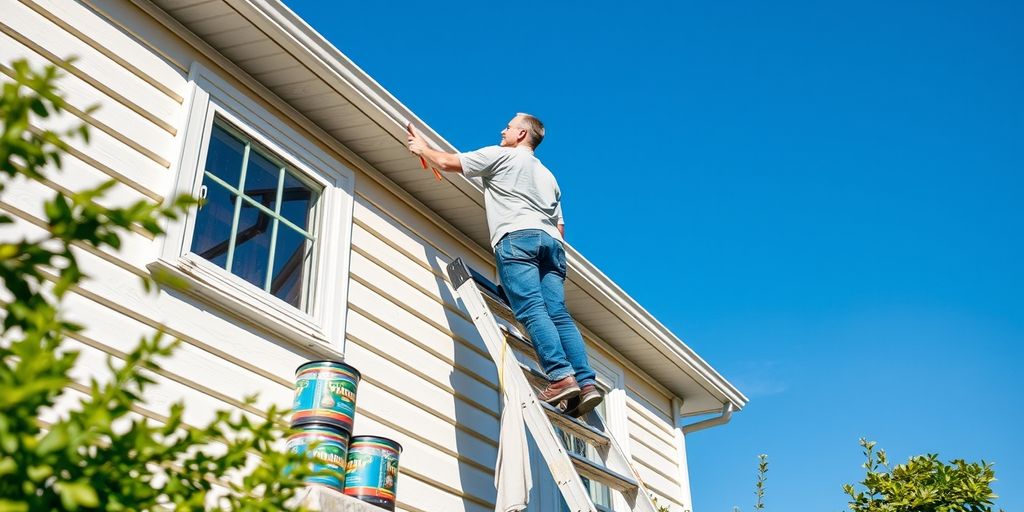
Painting the exterior of your home can seem like a big job, but with the right steps, it can be a rewarding project that boosts your home’s curb appeal. From picking the perfect color to making sure you have the right tools, every detail matters. This guide will walk you through everything you need to know to get a beautiful, long-lasting paint job on your home’s exterior.
Key Takeaways
- Proper preparation is crucial for a successful paint job. Clean and repair surfaces before you start painting.
- Choosing high-quality paint and primer will ensure a long-lasting finish.
- Testing paint samples in different lighting can help you pick the perfect color.
- Using the right tools, like brushes, rollers, and sprayers, can make the job easier and more efficient.
- Safety is important. Always use ladders and scaffolding correctly and wear protective gear.
Choosing the Right Paint and Color Scheme
Selecting a Color Family
Deciding on a color family is the first step. Start by choosing a main color for the siding, then pick complementary colors for the trim, shutters, and doors. Pay attention to the elements you won’t be painting, like the roof and gutters, to ensure they match your chosen colors.
Testing Paint Samples
Test several colors by painting large swatches on different sides of your house. Observe how the colors look at different times of day and in various weather conditions. If you don’t want to paint directly on your house, use large pieces of foam core instead.
Considering Fixed Elements
When choosing a color, consider your home’s fixed elements such as the roof, stonework, and other permanent features. These elements should harmonize with your new paint colors.
Choosing High-Quality Paint
High-quality paint may cost more upfront, but it lasts longer and looks better. Look for paints with titanium dioxide pigments and at least 45% solids by weight. All-acrylic binders resist weathering better than other types, so check for a “100% acrylic” label.
Preparing Your Home’s Exterior
Cleaning the Surfaces
A clean surface is essential for a good paint job. Use a pressure washer with the proper detergent to thoroughly clean exterior siding. Be cautious with the nozzle; a concentrated stream can damage wood and other surfaces. For areas with less peeling or flaking, a garden hose and scrub brush will work. Trisodium phosphate (TSP) is a safe cleaning agent. To remove and prevent mildew, use a detergent with mildewcide or a mixture of 1 quart of household bleach in 3 quarts of water. Rinse the surface when cleaning is completed.
Always use eye protection and follow the manufacturer’s instructions when pressure-washing.
Repairing Damaged Areas
Inspect your home’s exterior for any damage. Use a surface repair compound rated for exterior use to fix any flaws. Sand the surface once it’s dry. Re-caulk around door trim, windowsills, and other areas that need to be sealed with paintable exterior caulk. Remove old putty and apply new glazing to windows, ensuring it’s dry before painting.
Scraping and Sanding
Use a wire brush or scraping tool to remove loose paint that the washer didn’t reach. Scraping to the bare wood isn’t necessary if the old paint is intact. It can be painted over after sanding. Sand the surface to ensure it’s smooth and ready for primer and paint.
Using Primer Effectively
Priming is crucial for a long-lasting paint job. Apply primer to any bare wood or repaired areas. This helps the paint adhere better and provides a uniform surface for the topcoat. Choose a high-quality primer that matches your surface materials, like wood or stucco.
Gathering Essential Tools and Materials

Before you start painting, it’s crucial to have the right tools and materials. This will make the job easier and ensure a professional finish.
Safety Equipment
Prepare the necessary safety equipment to protect yourself from falls, paint fumes, and debris:
- A sturdy ladder
- Drop cloths to protect plants and surfaces
- Dust masks or respirators
- Non-slip shoes
- Safety glasses
Painting Tools
Having the right painting tools is essential for a smooth and efficient job. Make sure you have:
- Paint rollers and brushes
- Paint trays and liners
- Painter’s tape
- Paint sprayer (optional)
Protective Gear for Surroundings
Protecting the areas around your home is just as important as the painting itself. Use the following:
- Drop cloths or plastic sheeting
- Painter’s tape to cover edges and trim
- Old sheets or tarps for larger areas
Ladders and Scaffolding
To reach high places safely, you’ll need sturdy ladders or scaffolding. Ensure they are in good condition and set up properly.
Having the right tools and materials on hand before you start your project will make the process smoother and more efficient.
Painting Techniques for a Professional Finish
Using Brushes and Rollers
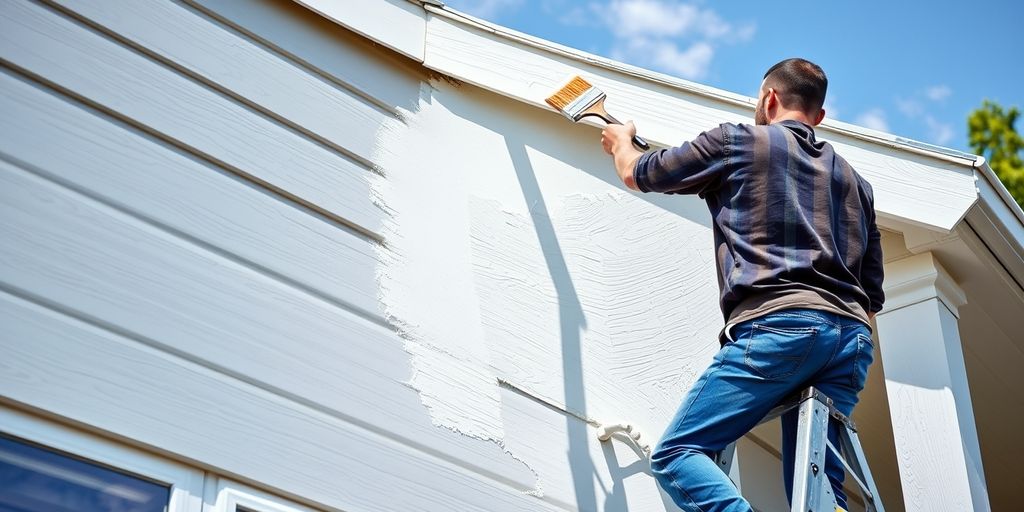
Mastering the art of applying paint requires precision and skill. Start by cutting along edges and corners with a steady hand and a high-quality brush. When using a brush, dip it about a third of the way into the paint, tap off any excess, and apply with smooth, even strokes. For large areas, use a roller or sprayer, and back-brush immediately to work the paint into the surface.
Working with Paint Sprayers
While a paintbrush will undoubtedly get the job done, a paint sprayer will make the job more efficient. If you don’t have a sprayer, consider renting one. This will make your job significantly easier and produce a better result. When using a sprayer, it’s essential to go back over the surface with a brush or roller to ensure even coverage.
Applying Multiple Coats
For the best overall results, apply one coat of primer and two coats of paint, and allow proper drying time between coats. This two-coat approach provides better coverage and increased durability. The first coat, called the base coat, will give you the first film of protection and absorb into the surfaces. The second coat, called the top coat, will give you a uniform appearance and make sure the old color is completely covered.
Ensuring Even Coverage
To achieve even coverage, work in the shade and start at the top of the house, working your way down to avoid drips on freshly painted surfaces. Overlap each stroke so that you have even coverage. Less is more when it comes to applying top coats. More layers can result in paint flaking off through the years; less paint bonds better to layers beneath.
Remember, a professional finish is all about attention to detail and patience. Take your time and follow these steps for a flawless paint job.
Post-Painting Maintenance and Inspection
Inspecting for Touch-Ups
After the paint has dried, walk around your home and look for any spots that need touch-ups. Check for areas where the paint might have peeled or cracked. It’s easier to fix these issues now rather than later.
Cleaning Painting Equipment
Properly cleaning your painting tools will make them last longer. Rinse brushes and rollers with water if you used latex paint, or with mineral spirits for oil-based paints. Make sure to remove all paint residue.
Maintaining the Paint Job
To keep your home’s exterior looking fresh, wash the exterior with a gentle detergent and water solution at least once a year. This helps remove dirt and mildew that can damage the paint over time. Also, inspect for signs of paint failure or damage regularly.
Addressing Common Issues
Common problems like blisters, peeling, or mold can appear over time. Address these issues promptly to prevent further damage. For example, clean gutters and downspouts to prevent water damage, and trim trees and shrubs away from the house to avoid moisture buildup.
Regular maintenance can significantly extend the life of your exterior paint job. Make a habit of performing these actions to keep your home looking its best.
Safety Tips for Exterior Painting
Painting the exterior of your home can be a rewarding project, but it’s important to prioritize safety. Here are some essential tips to ensure you stay safe while achieving a professional finish.
Setting Up Ladders Safely
Proper ladder setup is crucial to avoid accidents. Always place your ladder on a stable, level surface. Ensure the ladder is fully extended and locked before climbing. Avoid overreaching; instead, move the ladder as needed to maintain balance.
Using Safety Gear
Wearing the right safety gear can protect you from various hazards. Essential items include:
- Non-slip shoes
- Safety glasses
- Dust masks or respirators
- Gloves
Skipping safety gear can lead to serious injuries, so make sure you’re well-equipped.
Handling Paint and Chemicals
Paints and chemicals can be harmful if not handled properly. Always read the labels and follow the manufacturer’s instructions. Use well-ventilated areas to avoid inhaling fumes and wear gloves to protect your skin.
Weather Considerations
Pay close attention to weather conditions when planning your painting project. Ideal conditions include:
- Humidity below 60%
- No rain in the forecast for at least 24 hours
- Temperature between 50°F and 85°F
Painting in extreme weather can affect the quality of your work and pose safety risks. Neglecting weather conditions can lead to poor results and potential hazards.
Taking the time to grasp the essentials of exterior painting safety can make your project not only successful but also safe. Always prioritize safety to enjoy a smooth and accident-free painting experience.
Conclusion
Painting the exterior of your home can seem like a big job, but with the right preparation and tools, it’s a project you can tackle with confidence. Remember, the key to a long-lasting paint job is in the prep work. Clean your surfaces, fix any damage, and don’t skip the primer. Choose high-quality paint that suits your home’s materials and climate. Take your time, work safely, and apply two coats for the best results. With patience and effort, you’ll give your home a fresh look that can last for years. Happy painting!
Frequently Asked Questions
What type of paint is best for exterior surfaces?
Acrylic latex paint is usually the best choice for exterior surfaces because it is durable, flexible, and easy to use. It resists fading, peeling, and blistering better than oil-based paints.
How do I choose the right color for my home’s exterior?
Consider the colors of neighboring houses, the natural surroundings, and your home’s fixed elements like the roof or stonework. Test several colors by painting large swatches on different sides of your house to see how they look at different times of the day.
Why is it important to use a primer before painting?
Using a primer helps the paint adhere better to the surface and provides a more uniform appearance. It also acts as a protectant and can help resist mold, mildew, and fungi.
How should I prepare my home’s exterior before painting?
Thoroughly clean the surface, remove any flaking or peeling paint, repair any cracks, and prime bare wood or areas where repairs have been made. Make sure the surface is completely dry before you start painting.
What safety precautions should I take when painting my home’s exterior?
Always set up ladders on flat ground and use safety gear like goggles and gloves. Be cautious when using a paint sprayer and follow the manufacturer’s safety recommendations.
How many coats of paint should I apply?
It’s recommended to apply at least two coats of paint. The first coat acts as a base, and the second coat ensures even coverage and durability. In some cases, a third coat may be needed for darker or brighter colors.





 PERFECT PAINTER
Leave a comment