

Painting a room can be an exciting yet daunting task. Whether you’re freshening up a bedroom or giving your living room a new look, understanding the costs involved is crucial. This guide will help you navigate the various factors that influence the cost of painting a room in 2024, from the price of paint to labor expenses, and offer tips on how to save money without compromising on quality.
Key Takeaways
- Room size and paint quality are major factors in determining the cost of painting a room.
- Hiring a professional painter can save time and effort but may cost more than a DIY project.
- DIY painting can be more affordable but requires time, effort, and some skill.
- You can save money by choosing budget-friendly paint options and timing your project right.
- Proper preparation, such as surface cleaning and taping, is essential for a successful paint job.
Factors Influencing the Cost of Painting a Room
When planning to paint a room, several factors can affect the overall cost. Understanding these factors can help you budget more accurately and make informed decisions. Here are the key elements to consider:
Room Size and Dimensions
The size of the room is one of the most important factors. Larger rooms require more paint and labor, which increases the cost. Additionally, rooms with higher ceilings or complex layouts can be more expensive to paint.
Type and Quality of Paint
The type and quality of paint you choose will also impact the cost. Higher-quality paints may be more expensive but often provide better coverage and durability. Some paints come with built-in primer, which can save on additional material costs.
Labor Costs
Labor costs can vary widely depending on your location and the painter’s experience. In areas with a higher cost of living, expect to pay more for professional painting services. Labor can be charged by the hour, per square foot, or per room.
Additional Materials and Supplies
Don’t forget to factor in the cost of additional materials and supplies. This includes items like brushes, rollers, tape, and drop cloths. If your walls need repairs or special treatments like primer, these will add to the overall cost.
Average Costs for Different Room Types
When planning to paint a room, it’s important to know the average costs for different room types. This helps in budgeting and making informed decisions.
Cost to Paint a Bedroom
Painting a bedroom can cost between $350 and $850. If you include the ceiling and trim, the price can go up to $1,400. The size and height of the room play a big role in the final cost.
Cost to Paint a Living Room
Living rooms are usually larger, so they cost more to paint. Expect to pay between $600 and $2,000. High ceilings and extra trim can increase the price.
Cost to Paint a Kitchen
Kitchens are smaller but have more details like cabinets and appliances. The cost ranges from $150 to $250. If you want to paint the ceiling and trim, it could be more.
Cost to Paint a Bathroom
Bathrooms are the least expensive to paint, costing between $150 and $400. However, if you have a primary bathroom, the cost can go up to $650.
Knowing the average costs for different room types helps you plan your painting project better and avoid unexpected expenses.
DIY vs. Hiring a Professional Painter
Cost Comparison
When deciding between DIY painting and hiring a professional, cost is often a determining factor. DIY painting can save you money on labor, but you will need to buy all the supplies yourself. On the other hand, hiring a professional will include labor costs, which can range from $25 to $55 per hour.
Pros and Cons of DIY Painting
Pros:
- You save on labor costs.
- You can work at your own pace.
- You have full control over the project.
Cons:
- The final result may not be as polished.
- You need to buy all the necessary tools and materials.
- It can be time-consuming and physically demanding.
Pros and Cons of Hiring a Professional
Pros:
- Professionals deliver high-quality results.
- They bring their own tools and materials.
- The job is usually completed faster.
Cons:
- It is more expensive due to labor costs.
- You may need to adjust your schedule to accommodate the painters.
- The presence of workers can disrupt your daily routine.
Time and Effort Considerations
DIY painting requires a significant amount of time and effort, especially if you are not experienced. You will need to prepare the surfaces, apply multiple coats, and clean up afterward. Hiring a professional can save you this time and effort, allowing you to focus on other tasks.
Whether you choose to DIY or hire a professional, consider your budget, time, and the quality of finish you desire.
Ways to Save Money on Room Painting
Painting a room can be costly, but there are several ways to cut down on expenses without sacrificing quality. Here are some tips to help you save money when painting your home.
Choosing Affordable Paint Options
One of the easiest ways to save money is by selecting affordable paint options. Look for sales and discounts at your local hardware store. Sometimes, you can find high-quality paint at a fraction of the cost. Additionally, consider using paint-and-primer-in-one products to reduce the number of coats needed.
Timing Your Painting Project
Timing can play a significant role in how much you spend. Try to plan your painting project during off-peak seasons when demand for painters is lower. This can often result in lower labor costs. Also, keep an eye out for holiday sales and promotions on paint and supplies.
Bundling Multiple Rooms
If you have several rooms that need painting, consider bundling them into one project. Painters often offer discounts for larger jobs, and you can save money by buying paint in bulk. Sticking with one color for multiple rooms can also help reduce costs.
Doing Some Prep Work Yourself
You can save a considerable amount by doing some of the prep work yourself. Tasks like moving furniture, cleaning walls, and taping edges are simple but time-consuming. By handling these yourself, you can reduce the amount of time a professional painter needs to spend on the job, thereby lowering labor costs.
With a little planning and effort, you can significantly reduce the cost of painting a room without compromising on quality.
Understanding Paint and Material Costs
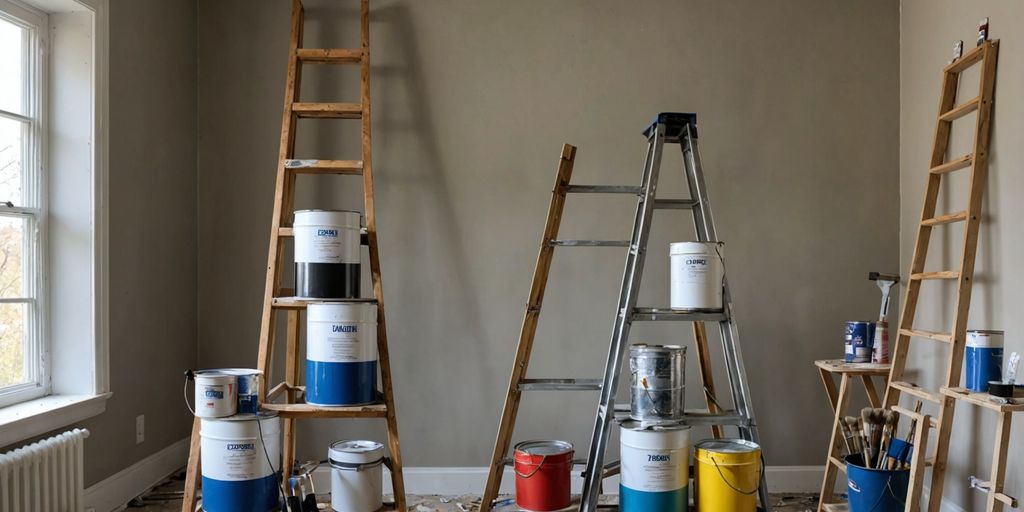
When planning to paint a room, it’s essential to understand the various costs involved. Knowing these costs can help you budget effectively and avoid surprises. Here, we’ll break down the different types of paint finishes, how to estimate the amount of paint needed, the cost of painting supplies, and some environmental and health considerations.
Getting Accurate Estimates from Painters
Questions to Ask Potential Painters
When interviewing painters, it’s important to ask the right questions to ensure you hire a qualified professional. Here are some key questions:
- How long have you been in business?
- Are you licensed and insured?
- Do you do the painting yourself or hire subcontractors?
- Can you provide references from previous clients?
- Do you guarantee your work? If so, for how long?
How to Compare Quotes
Get multiple estimates to compare prices and services. Make sure each quote includes details about prep work, the type of paint, and any warranties. If one quote seems too high or too low, ask why.
Understanding What’s Included in the Estimate
A detailed estimate should cover:
- Type of paint and finish
- Prep work required
- Labor costs
- Cleanup costs
- Any additional materials or supplies
Negotiating the Best Price
Don’t be afraid to negotiate. Ask if there are any discounts for bundling multiple rooms or if you can save money by doing some prep work yourself. Professional house painters typically charge an average of $3 to $6 per square foot, $20 to $50 per hour, or $200 to $500 per day.
Clear communication and detailed estimates help avoid surprise charges and ensure a smooth painting project.
Common Mistakes to Avoid When Painting a Room
Painting a room can be a fun and rewarding project, but it’s easy to make mistakes that can lead to frustration and extra costs. Here’s a guide on the most common mistakes to make and how to prevent them to guarantee the success of your painting job.
Skipping Surface Preparation
One of the most common interior painting mistakes is skipping surface preparation. Properly cleaning and priming the walls ensures that the paint adheres well and lasts longer. Always take the time to fill in holes, sand rough spots, and clean the walls before you start painting.
Choosing the Wrong Paint Type
Selecting the wrong type of paint can lead to poor results. Different rooms require different types of paint. For example, bathrooms and kitchens benefit from moisture-resistant paints, while living rooms might look best with a matte finish. Make sure to choose the right paint for each room’s specific needs.
Underestimating the Amount of Paint Needed
Running out of paint in the middle of a project can be frustrating. Use a paint calculator to estimate how much paint you’ll need based on your room’s dimensions. It’s always better to have a little extra than to run short.
Ignoring Safety Precautions
Painting might seem like a safe activity, but there are still risks involved. Always use ladders safely, ensure good ventilation, and wear protective gear like masks and goggles. Ignoring these precautions can lead to accidents and health issues.
Taking the time to prepare properly and follow these tips can save you a lot of trouble and help you achieve a professional-looking finish. Happy painting!
Conclusion
Painting a room in 2024 can vary in cost depending on several factors such as room size, paint type, and whether you choose to DIY or hire a professional. On average, you might spend anywhere from $300 to $2,800. While DIY can save money, hiring a pro ensures a quicker and often higher-quality finish. Always get multiple quotes and consider the pros and cons of each option. With the right planning and budgeting, you can transform your space without breaking the bank.
Frequently Asked Questions
How much does it cost to paint a room in 2024?
In 2024, the average cost to paint a room is around $624. This includes labor, paint, and materials. If you add painting ceilings and baseboards, the cost can range from $731 to $923.
What factors affect the cost of painting a room?
Several factors influence the cost, including the size of the room, the type and quality of paint, labor costs, and any additional materials or supplies needed.
Is it cheaper to paint a room myself or hire a professional?
Painting a room yourself can save money, with costs ranging from $150 to $300. However, hiring a professional can save time and ensure a high-quality finish, with costs ranging from $300 to $1,000.
How long does it take to paint a room?
The time it takes to paint a room can vary. For a DIY project, it might take a weekend. Professionals can usually complete the job in one day, depending on the room size and preparation needed.
What type of paint finish should I choose?
The choice of paint finish depends on the room’s use. Matte finishes are great for low-traffic areas, while satin finishes are better for high-traffic rooms like kitchens and kids’ bedrooms.
How can I save money on painting a room?
To save money, consider choosing affordable paint options, timing your project during off-peak seasons, bundling multiple rooms for a discount, and doing some of the prep work yourself.





 PERFECT PAINTER
Leave a comment